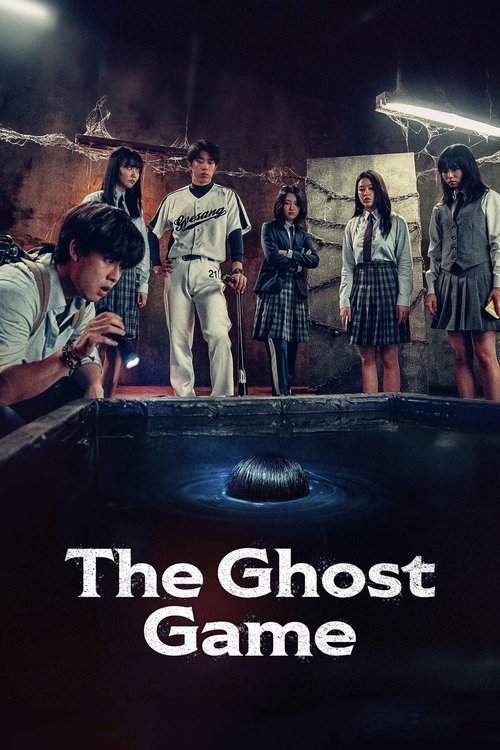
The Ghost Game
Plot
A mystery horror film that depicts what happens when Ja-yeong, who has a secret from her past, and her school friends perform a necromancy ritual to summon ghosts.
Get the Weekly Woke Watchlist
New and trending movies scored for woke bias, preachy messaging, and forced political themes — before you waste your evening.
No spam. One useful email per week.
Overall Series Review
Categorical Breakdown
The film is a South Korean production featuring an entirely East Asian cast and setting, which is culturally and historically authentic. The narrative focuses on personal secrets and a supernatural threat, not on racial or intersectional hierarchies. There is no commentary on 'whiteness' or forced diversity, adhering to a universal meritocracy of character actions and consequences.
The story takes place in a 'lost place' in Seoul, a common horror setting, and incorporates elements of Korean folklore and youth culture. The horror is derived from a supernatural entity and the personal secrets of the characters, not from a critique of the nation's cultural or political institutions. The film uses local heritage for its horror framework rather than seeking to deconstruct or demonize it.
The lead protagonist, Ja-yeong, is a young woman, but she is depicted as complex, flawed, and driven by personal trauma and guilt, not as a perfect 'Girl Boss' figure. Another female character is the 'vessel' for the ritual, and the male characters are portrayed with a mix of ambition (the YouTuber Ki-ho) and affection (Dong-joon). Gender dynamics are secondary to the overall survival horror and personal trauma themes, avoiding the overt emasculation or anti-natalist lecturing associated with radical feminism.
The plot, which focuses on a necromancy ritual, angry ghosts, and a missing sister, contains no detectable elements of alternative sexual ideology or gender theory. The relationships are incidental to the horror, and the film maintains a normative structure without commentary or political messaging regarding sexuality or family models.
The entire plot is predicated on the existence of a real, dangerous spiritual world and objective rules for interacting with it (the ritual must be performed and ended correctly). This supernatural framework affirms a reality beyond the material, showing that there are dire, objective consequences for transgression. The danger is a moral and spiritual one, implicitly affirming an objective moral/spiritual law without specifically attacking or embracing any traditional religion like Christianity.
Get the Weekly Woke Watchlist
New and trending movies scored for woke bias, preachy messaging, and forced political themes — before you waste your evening.
No spam. One useful email per week.