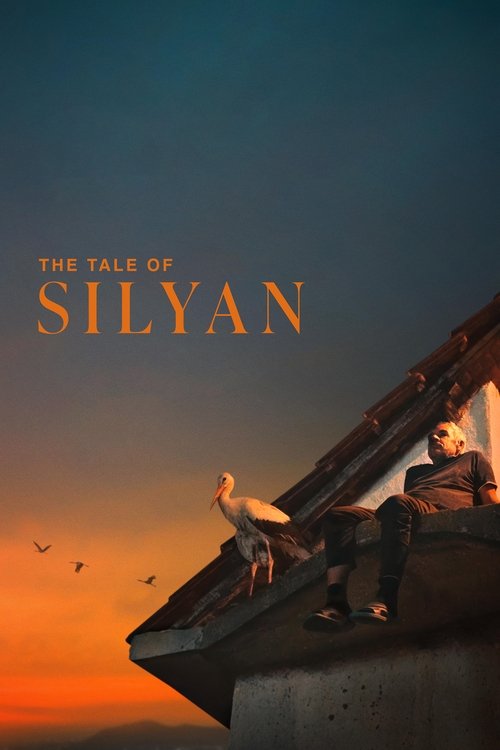
The Tale of Silyan
Plot
Inspired by the folktale of the boy Siljan, who, after a quarrel with his father, turns into a stork and leaves home, the film is a story about the relationship between a farmer and a white stork.
Get the Weekly Woke Watchlist
New and trending movies scored for woke bias, preachy messaging, and forced political themes — before you waste your evening.
No spam. One useful email per week.
Overall Series Review
Categorical Breakdown
The film is an authentic portrait of a Macedonian family whose casting reflects its regional setting, focusing on their economic struggle as farmers. Character is defined by their connection to the land and their work ethic, not by immutable characteristics or race-based hierarchy.
The narrative is a beautiful paean to the home culture and traditional life in North Macedonia. Institutions like the family and the generational connection to the land are presented as vital shields against chaos and global economic forces. The folktale itself reinforces the importance of the family farm.
The gender dynamic is complementary, with the male farmer Nikola and his wife Jana portrayed as a working unit whose movements in the field are synchronized. Jana is shown leaving to provide childcare for her granddaughter, fulfilling a traditional, celebrated maternal role to help her daughter’s family survive. No female 'Girl Boss' tropes are present.
The narrative centers entirely on the traditional nuclear family structure of Nikola, his wife Jana, and their married daughter's family. The primary conflict is the threat to this family unit from external economic forces. No alternative sexualities are centered, and there is no lecturing on gender theory.
The film incorporates a 17th-century Macedonian folktale to provide a rich, mythic quality, suggesting a respect for ancient, transcendent lore. The struggle is moral and existential—a fight for continuity—and does not vilify traditional religion or promote subjective moral relativism.
Get the Weekly Woke Watchlist
New and trending movies scored for woke bias, preachy messaging, and forced political themes — before you waste your evening.
No spam. One useful email per week.