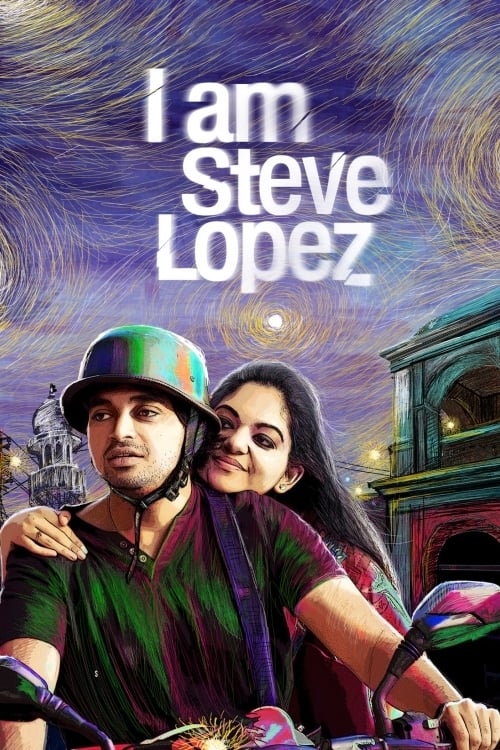
Njan Steve Lopez
Plot
A college student witnesses a gang attack and as his curiosity behind the encounter tries to get the better of him, he realizes that his dad and the police are involved.
Get the Weekly Woke Watchlist
New and trending movies scored for woke bias, preachy messaging, and forced political themes — before you waste your evening.
No spam. One useful email per week.
Overall Series Review
Categorical Breakdown
The narrative is centered on a moral and political conflict: a young man versus corruption and the abuse of power. The conflict is defined by individual merit (the protagonist's moral purity) against systemic criminality, not by immutable characteristics or race/caste/class-based intersectional hierarchy. The story critiques power universally and does not rely on lecturing the audience about 'privilege' based on identity.
The film heavily critiques the central institutions of the protagonist’s life and homeland. The police system, which represents the formal authority and protection of the state/community, is framed as fundamentally corrupt and criminal. The protagonist's own family unit is deconstructed when his father, a figure of authority, is revealed to be the source of the rot. This pervasive cynicism about 'home culture' and its primary institutions results in a high score.
Gender dynamics are secondary to the main theme of corruption. The male protagonist, though described as 'unassuming' and 'softly spoken,' is the clear moral center and active driver of the plot. The female characters are present primarily as a love interest or peripheral family members, with no overt signs of 'Mary Sue' or 'Girl Boss' tropes. There is no anti-natalist or anti-family messaging directed at women; the family unit is undermined due to the father's moral failure, not the institution of family itself.
The film, a 2014 regional drama, contains no overt or implied themes, characters, or ideological discussions related to Queer Theory, sexual identity, or gender fluidity. The narrative maintains a normative structure where sexuality is private and not the subject of public lecturing or political centering.
The core conflict is secular, focusing on political and police corruption rather than religious dogma or institutions. Faith or religious practice is not a primary theme, and there is no demonization of religion (specifically Christianity or other faiths) to promote moral relativism. The moral code being broken is one of civic and familial duty, not a religious one.
Get the Weekly Woke Watchlist
New and trending movies scored for woke bias, preachy messaging, and forced political themes — before you waste your evening.
No spam. One useful email per week.