Ekis
Plot
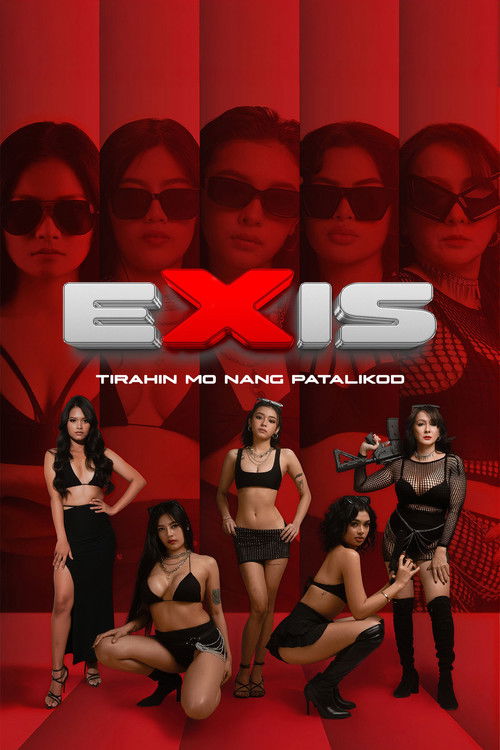
Erik Matti’s classic Ekis gets a bold reboot with an all-girls ensemble led by Angela Morena, Cheena Dizon, and Aliya Raymundo. A crew of female thugs launches a kidnap-for-ransom plot, but when things go wrong, escaping the chaos becomes impossible.
Get the Weekly Woke Watchlist
New and trending movies scored for woke bias, preachy messaging, and forced political themes — before you waste your evening.
No spam. One useful email per week.
Overall Series Review
Categorical Breakdown
The narrative does not appear to lecture on systemic oppression or privilege. The central conflict is a criminal plot, not a commentary on race or immutable characteristics. The casting reflects a local, Filipino production with no evidence of ‘race-swapping’ or vilification of ‘whiteness.’
The movie is a crime thriller, a genre that often depicts the dark underbelly of a society. The setting is local, but there is no explicit evidence of hostility toward the home culture, demonization of ancestors, or an embrace of the 'Noble Savage' trope. The focus is on the criminal act and its immediate fallout, not a broad civilizational deconstruction.
The movie features an 'all-girls ensemble' of 'thugs' leading the violent kidnap plot, which is a significant move to elevate female characters into a traditionally male role. This choice pushes the narrative toward the 'Girl Boss' trope by showcasing women as dominant and formidable criminals. They are not portrayed as perfect, as their plan fails and leads to chaos, which prevents a full 10/10 score, but the clear intentionality behind the all-female gang indicates a strong gender statement.
There are no available details suggesting the plot centers on alternative sexualities, deconstructs the nuclear family, or includes lectures on gender ideology. The core narrative is a violent crime and its consequences, suggesting a normative structure in the absence of explicit ideological content.
The story is an amoral crime thriller, where the protagonists are violent criminals, but this is a genre staple, not evidence of anti-theistic intent. There is no information that shows traditional religion is framed as the root of evil or that moral relativism is explicitly embraced as a philosophical lecture.
Get the Weekly Woke Watchlist
New and trending movies scored for woke bias, preachy messaging, and forced political themes — before you waste your evening.
No spam. One useful email per week.