The Seven Deadly Sins
Season 3 Analysis
Season Overview
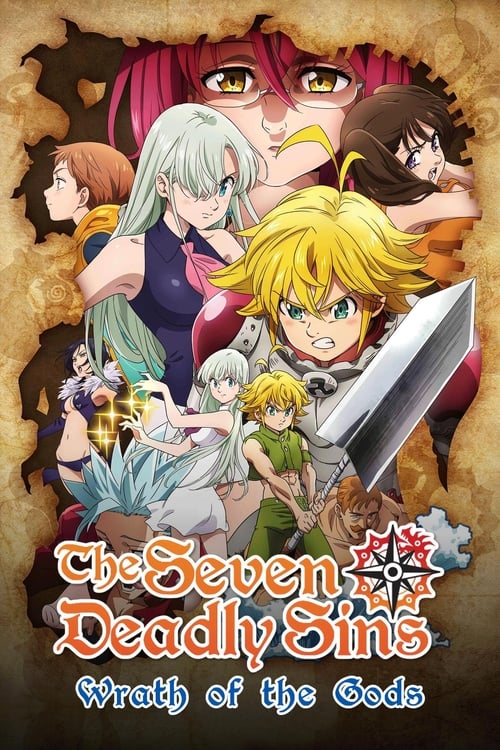
In the village, a young boy named Peliodas who aspires to be the Dragon's Sin of Wrath (Meliodas) attempts to fight the demons to stop his community from continually capturing sacrifices for them, but fails. They are ultimately saved by Ban and Meliodas, along with Gowther, Escanor, Merlin and Elizabeth.
Season Review
Categorical Breakdown
The narrative places all characters into five fantasy clans (Demons, Goddesses, Humans, Giants, Fairies). Character judgment is based entirely on individual merit, power, and the content of their soul. There is no focus on intersectional hierarchy or vilification of any group corresponding to real-world immutable characteristics. The central conflict is an ancient species-based war, not a lecture on systemic oppression.
The setting is a fictional Britannia, a mythical 'home' that the protagonists are actively fighting to protect. While institutions like the Holy Knights are initially shown to have internal corruption, this is addressed and reformed. The primary threat is from an alien species (Demons) and a rival divine clan (Goddesses). There is no hostility toward the home culture, history, or ancestors in the Western sense; the kingdom and its people are viewed as worth saving.
Female characters like Merlin and Diane are exceptionally powerful and highly competent. Merlin’s intellect is a major plot engine, and Diane is a powerful warrior. However, their power is earned through struggle and unique lineage, not instant perfection. Masculine vitality is celebrated via characters like Escanor and Ban. The main female lead, Elizabeth, focuses her journey on self-sacrifice, love, and breaking a curse, not on an anti-natalist or 'career-only' message. Men and women's distinct but complementary roles define many central pairings.
The core relationships follow traditional male-female pairings. While the character Gowther is an effeminate doll with an ambiguous physical form, the narrative centers on his lack of a heart and emotions, not on sexual identity or modern gender ideology. There is no lecturing, no deconstruction of the nuclear family concept, and no centering of alternative sexualities as the most important character trait.
The story makes heavy use of Christian concepts (Sins, Commandments, Goddesses, Demons) but frames them in an ironic and fantastical way. The 'Goddess Clan' is revealed to be manipulative, ruthless, and morally ambiguous, which subverts the concept of objective divine truth and promotes a form of moral relativism regarding the spiritual powers. This theme directly conflicts with the notion of Transcendent Morality, though it avoids direct attacks on real-world Christianity.