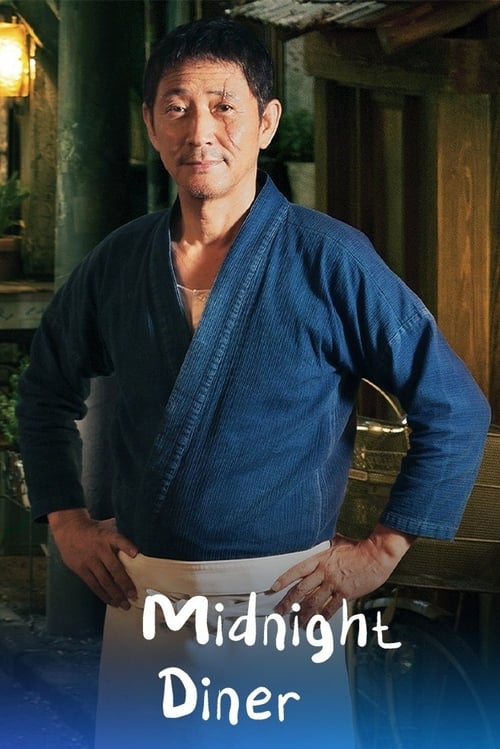
Midnight Diner
Plot
A restaurant opens at midnight. Both the menu offerings and personality of the owner draw a series of flawed patrons including Tamako, whose boyfriend has passed away, live-in worker Michiru, and ruckus-raising Kenzo.
Get the Weekly Woke Watchlist
New and trending movies scored for woke bias, preachy messaging, and forced political themes — before you waste your evening.
No spam. One useful email per week.
Overall Series Review
Categorical Breakdown
Characters are judged by the content of their soul and their individual personal struggles, aligning with a universal meritocracy. The customers include people from various unconventional backgrounds, but the narrative does not rely on race, class, or intersectional hierarchy to lecture the audience on privilege or systemic oppression. The film is Japanese-made and features an ethnically authentic cast for its setting.
The film shows a deep respect and affection for Japanese culture, particularly its food and the spirit of community. The story deals with national tragedy (Fukushima) in a somber and respectful way, focusing on the individual’s human impact rather than framing the home culture as fundamentally corrupt or racist. No hostility toward Western civilization is present in the narrative.
The female characters, such as Tamako and Michiru, are portrayed with authentic flaws and are on journeys of personal recovery and self-improvement. The narrative offers a realistic, empathetic view of female struggles without resorting to a 'Girl Boss' trope or the emasculation of male characters. Motherhood is neither a focus nor vilified; the overall gender dynamics are grounded in distinct but complementary roles of comfort and quiet support.
Alternative sexualities and gender identities are present in the community of regulars, including patrons who are gay or transgender. These characters are integrated into the slice-of-life fabric of the diner and are treated the same as every other patron, with the narrative focusing on their individual emotional or relational challenges, not on sexual identity as the most important trait or as a vehicle for gender ideology lecturing. The traditional nuclear family structure is not critiqued as oppressive.
The 'Master' acts as a moral compass and a source of 'moral glue' who believes in the 'innate goodness' of people. The plot’s inclusion of a funerary urn and discussions around death and memory acknowledges human spiritual and cultural traditions without hostility. The narrative acknowledges objective truths like kindness and compassion, pointing toward a transcendent morality rather than subjective 'power dynamics'.
Get the Weekly Woke Watchlist
New and trending movies scored for woke bias, preachy messaging, and forced political themes — before you waste your evening.
No spam. One useful email per week.