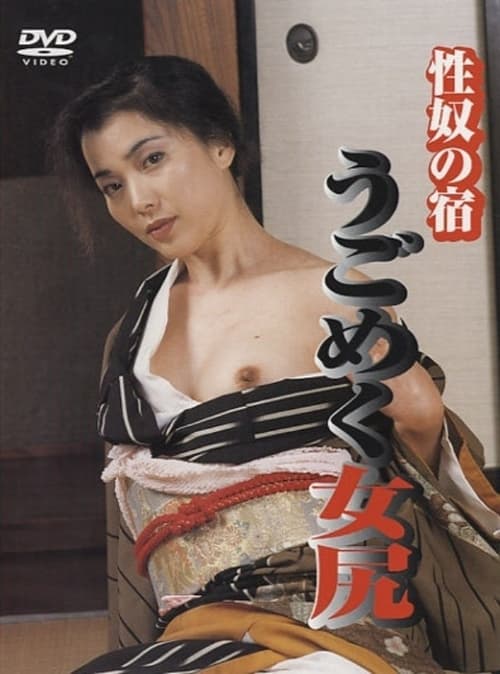
Seiyatsu no yado: ugokumeku mejiri
Plot
Pink film directed by Yutaka Ikejima.
Get the Weekly Woke Watchlist
New and trending movies scored for woke bias, preachy messaging, and forced political themes — before you waste your evening.
No spam. One useful email per week.
Overall Series Review
Categorical Breakdown
The movie is a Japanese production with a Japanese cast, and the narrative has no discernible focus on race, intersectional hierarchy, or the vilification of 'whiteness.' Characters are defined by their transgressive sexual desires and psychological complexity, not by global racial politics. Casting is entirely authentic to the domestic setting.
The Pink Film genre is rooted in a counter-cultural 'objection to the status quo' in Japan. By centering stories of sexual dysfunction, frustration, and taboo acts within domestic settings, the narrative frames contemporary Japanese social structures and morality as restrictive, dysfunctional, or corrupt. This constitutes an implicit hostility toward the moral framework of the 'home culture,' though it is a local, not global, civilizational critique.
The focus of the Pink Film genre is often on male impotence, frustration, and the complicated sexual agency of female characters, including themes of adultery and revenge. This thematic concentration on male failings and female sexual complexity moves away from a complementarian view of gender roles. The movie challenges the traditional image of Japanese masculinity and focuses on non-traditional roles for women, though the genre's history includes elements that are not simply 'Girl Boss' tropes.
Director Yutaka Ikejima is a noted figure in the gay-themed Pink Film subgenre, and his works have been screened at LGBTQ+ film festivals. Given this directorial history and the genre's tendency to 'tangle gender lines,' the narrative highly likely features or centers on non-normative sexualities, gender dynamics, and transgressive sexual liberation, directly deconstructing the traditional male-female pairing and nuclear family structure.
As an erotic, counter-cultural film focused on sexual transgression and taboo, the movie inherently embraces moral relativism, placing subjective sexual desire above any 'Transcendent Morality' or higher moral law. While the film does not specifically target Christianity, its core thematic focus on liberation through taboo sexuality rejects traditional religious and moral codes.
Get the Weekly Woke Watchlist
New and trending movies scored for woke bias, preachy messaging, and forced political themes — before you waste your evening.
No spam. One useful email per week.