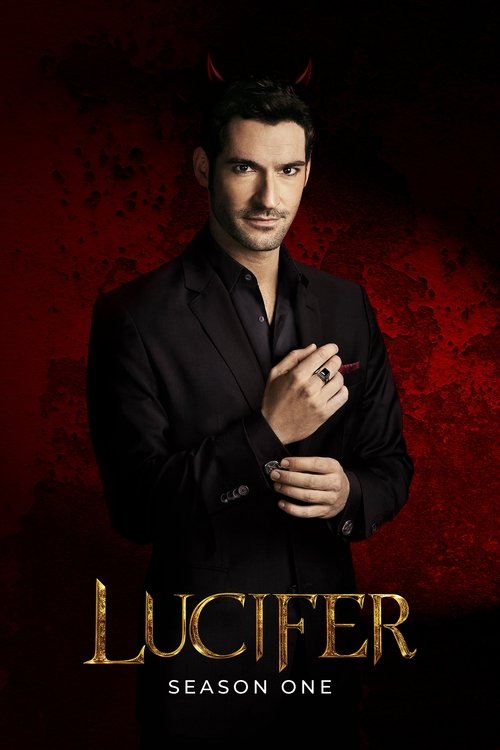
Lucifer
Season 1 Analysis
Season Overview
Bored with being the Lord of Hell, the devil relocates to Los Angeles, where he opens a nightclub and forms a connection with a homicide detective.
Season Review
Categorical Breakdown
The angel Amenadiel, God's eldest son, is cast as Black, which intentionally subverts the traditional Western association of white with good and black with evil. The LAPD setting immediately introduces themes of corruption and sexism within institutions, which Detective Decker battles. The plot, however, focuses more on the personal moral redemption of individuals rather than a constant systemic critique.
The central premise is the rebellion against the foundational divine order—the absent and punitive 'Father' God. The Western theological heritage is deconstructed and replaced with a new celestial family drama where the most sacred authority is framed as the source of the protagonist’s emotional trauma. The abandonment of divine duty in Heaven/Hell for a hedonistic life in Los Angeles reinforces a rejection of traditional celestial structures.
Detective Chloe Decker is a highly capable homicide detective and a single mother, consistently portrayed as the moral, professional, and grounded anchor to the male protagonist’s chaos. Lucifer's demon companion, Mazikeen, is a dominant, fierce warrior figure. The female lead is the emotional and professional superior of the male lead, and the series features the stated commitment to subverting patriarchy.
The main character, Lucifer Morningstar, is established as being openly promiscuous and attracted to both men and women, confirming him as bisexual. His demon associate, Mazikeen, is also presented as non-heterosexual. This non-normative sexuality is a casual feature of the primary character's identity and is presented as accepted without judgment, though the main romantic tension is still a male-female pairing.
The core of the show is the romanticization and humanization of the Devil as a misunderstood figure of free will who is simply trying to find his own path. The traditional, transcendent moral law of God is directly undermined by framing 'The Father' as a neglectful, manipulative figure who unjustly punished his son. Lucifer insists that humans send themselves to Hell based on their own subjective guilt, thereby dismissing the traditional role of a divine tempter.