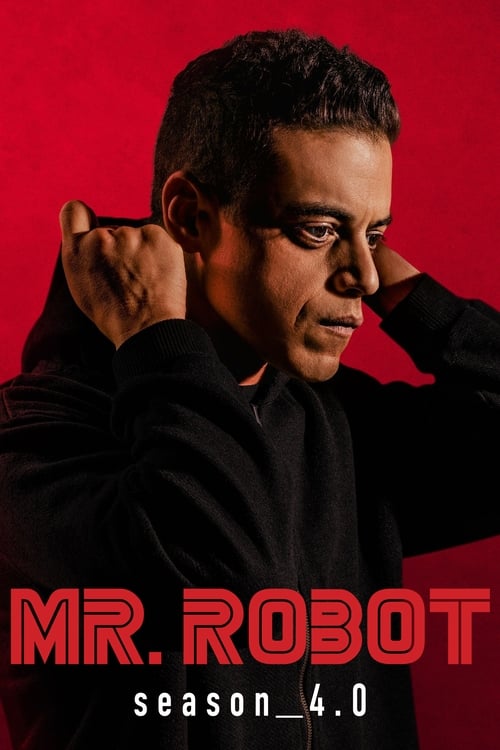
Mr. Robot
Season 4 Analysis
Season Overview
follow my boy @sktty yo
Season Review
Categorical Breakdown
The core plot vilifies the global elite and the 1% (the 'Deus Group'), a critique focused on economic class and corruption rather than race. The casting includes a major, highly powerful villain who is non-white and transgender, which does not fit the vilification of whiteness trope. However, the narrative includes an unrealistic depiction of law enforcement, with a critical comment pointing to the FBI as overwhelmingly female and suggesting tokenism.
The show's hostility is directed at the corrupt, corporate, cronyist economic system that dominates America and the globe, not at Western civilization or home culture itself. The critique is targeted at an oligarchy and massive corporate debt, a traditional anti-establishment theme, not the demonization of ancestors or foundational institutions.
Female characters like Darlene, Dom, and the villain Whiterose are consistently highly competent, powerful, and successful anti-heroes who drive the plot. The narrative explicitly addresses institutional sexism and corporate harassment, showing that women must become ruthless 'Girl Bosses' to succeed against the patriarchy. The depiction of law enforcement featuring an unrealistic majority of female agents adds to the sense of forced gender dynamics.
The primary antagonist, a Chinese Minister and head of the Dark Army, is an explicitly powerful, highly capable transgender woman. Another major protagonist in law enforcement is explicitly a lesbian or bisexual character. Alternative sexualities are prominent and placed at the highest levels of power, though they are integrated into the thriller plot rather than being the sole focus.
The spiritual worldview of the show is secular and anti-theistic. The main character's core philosophy, established in previous seasons and underlying the final one, views organized religion as a 'metastisizing mind worm' and a tool used by the powerful to control. The main cabal of global villains is literally called the 'Deus Group' (God Group), directly linking the ultimate evil in the world to a symbolic, transcendent source, implying that morality is subjective and only defined by 'power dynamics'.