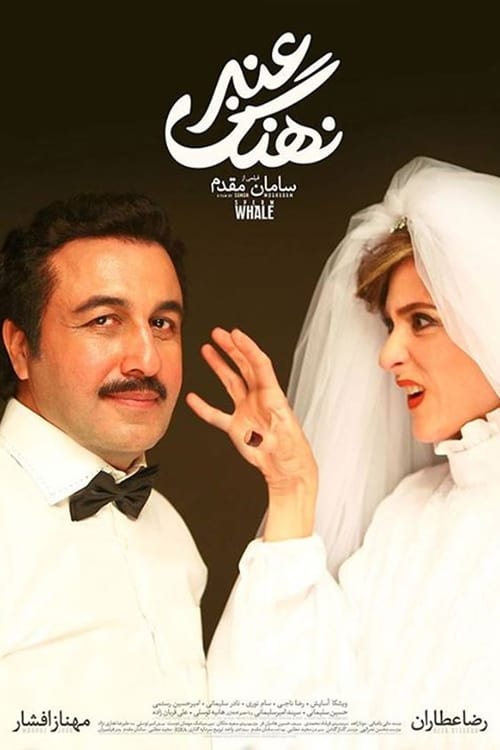
Sperm Whale
Plot
Arjang, who was born before the revolution in Iran, has been in love with his childhood sweetheart, Roya, for the past 40 years. Roya, however, has brought him nothing but trouble. Now 50, and having experienced a revolution, a war, a divorce and both poverty and wealth, Arjang finds himself still in love with Roya.
Get the Weekly Woke Watchlist
New and trending movies scored for woke bias, preachy messaging, and forced political themes — before you waste your evening.
No spam. One useful email per week.
Overall Series Review
Categorical Breakdown
The story centers on two ethnically and culturally authentic Iranian characters whose struggles are tied to specific national history, personal history, and romantic fate. The conflict relies entirely on character actions and the impact of historical events, aligning with Universal Meritocracy. The narrative does not utilize race, intersectional hierarchy, or the vilification of 'whiteness.'
The film's 'home' culture is Iranian, not Western. The story uses a comedic and nostalgic lens to examine post-revolutionary Iranian society, including its 'strict atmosphere' and political events. While it critiques the specific political and social structure of the Islamic Republic, it does so from an internal perspective, focusing on personal resilience and enduring love within the nation, not Civilizational Self-Hatred against the West.
The female lead, Roya, is highly independent and complex, driving much of the conflict by moving abroad and pursuing other relationships. She is not a perfect 'Girl Boss' but is repeatedly described as a source of trouble for the male protagonist, grounding her character in human imperfection. The male protagonist, Arjang, is protective and ultimately saves her from a violent husband, maintaining a complementary dynamic rather than an emasculating one. The central focus is the pursuit of love and marriage, not anti-natalism.
The entire story revolves around the heterosexual, lifelong romantic pursuit between a man and a woman, Arjang and Roya. This is the definition of a normative structure, with the nuclear family being the goal of the central conflict. There is no presence of alternative sexualities, deconstruction of the nuclear family, or lecturing on gender theory.
The film criticizes the political and social atmosphere following the Iranian Revolution, which is a critique of a specific religious-political *ideology* and its governmental enforcement. This is distinct from hostility toward 'Traditional religion (specifically Christianity).' The main focus remains the personal and romantic journey, not a theological or moral relativism lecture. Faith is not presented as the root of all evil.
Get the Weekly Woke Watchlist
New and trending movies scored for woke bias, preachy messaging, and forced political themes — before you waste your evening.
No spam. One useful email per week.