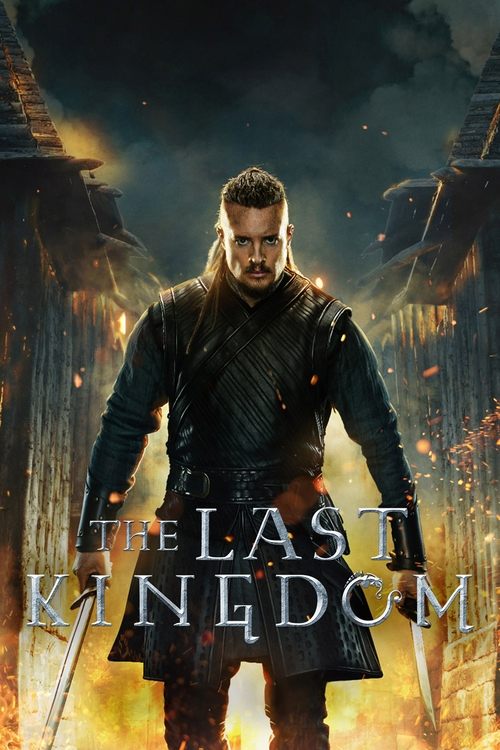
The Last Kingdom
Season 5 Analysis
Season Overview
A fragile peace has reigned in England for years, but Uhtred believes that trouble is just over the horizon — and events soon confirm his suspicions.
Season Review
Categorical Breakdown
The story centers on the cultural and political conflict between Saxons and Danes rather than modern racial dynamics. Characters are defined by their oaths, battle prowess, and lineage. The inclusion of Father Benedict is grounded in a historical explanation of his journey from the Mediterranean world.
The narrative is a foundational myth for the English nation. It treats the creation of 'Englaland' as a noble and necessary pursuit. The show honors the sacrifices of ancestors and respects the concept of a homeland and national identity.
Female characters like Aethelflaed and Stiorra wield significant political power and lead armies. Brida acts as a primary military antagonist, often physically besting men. While these portrayals lean into 'strong female lead' tropes, they are largely contextualized within the brutal world-building of the series.
The season explores the sexuality of Aethelstan, the future king, depicting his attraction to another male character. This subplot introduces a modern queer lens into the historical drama, framing his religious guilt as a barrier to his personal identity.
The Christian Church is frequently portrayed as an institution of hypocrisy, greed, and intolerance. Secular paganism or personal honor codes are framed as more authentic than the 'rigid' and 'judgmental' Christian faith. Most high-ranking clergy are depicted as manipulative or weak.