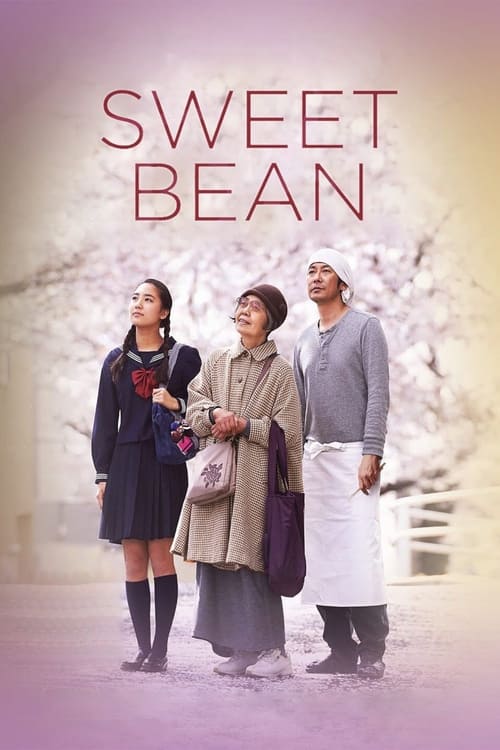
Sweet Bean
Plot
The master of a dorayaki pastry store hires a 76-year-old woman whose talents attract customers from all over. But she's hiding a troubling secret. Life's joys are found in the little details, and no matter what may be weighing you down, everyone loves a good pastry.
Get the Weekly Woke Watchlist
New and trending movies scored for woke bias, preachy messaging, and forced political themes — before you waste your evening.
No spam. One useful email per week.
Overall Series Review
Categorical Breakdown
The film’s central theme is the systemic prejudice and marginalization against Tokue due to her past illness (leprosy) and the resulting social stigma, which is a form of discrimination based on a characteristic. However, this is not framed within the modern intersectional race/gender lens; rather, Tokue is ultimately valued and hired based entirely on the merit and quality of her superior craftsmanship. The characters are judged by their soul and skill, not by immutable characteristics.
The film focuses a strong critique on the historical and ongoing social discrimination within Japanese society against former Hansen's disease patients, a negative element of the nation's past. This is a form of self-critique within the home culture. This is balanced by a profound celebration of Japanese traditions, particularly the culinary craft of dorayaki and anko, and the reverence for nature and the passing of seasons.
Tokue, an older woman, is the master, mentor, and moral center of the story, teaching the male protagonist, Sentaro, a deeper respect for his craft and life. Her superiority is earned through patience, experience, and skill, not presented as an ideological 'Girl Boss' trope. The core relationship is complementary, based on merit and wisdom. There is no anti-natal or anti-family messaging; the main characters form a restorative, surrogate family unit.
The narrative has no focus on alternative sexualities, gender ideology, or deconstructing the nuclear family. The film centers on the inter-generational, platonic relationships between a man, an elderly woman, and a teenage girl, whose primary struggle is social stigma and finding dignity in work. Sexuality is not a theme.
The film is non-Christian, but it contains a pervasive sense of transcendent spirituality rooted in nature and the craft of cooking. Tokue’s voiceover emphasizes a near-mystical connection to the adzuki bean and the process of making the paste, promoting respect for all things and an objective moral good found in dignity and honest work.
Get the Weekly Woke Watchlist
New and trending movies scored for woke bias, preachy messaging, and forced political themes — before you waste your evening.
No spam. One useful email per week.