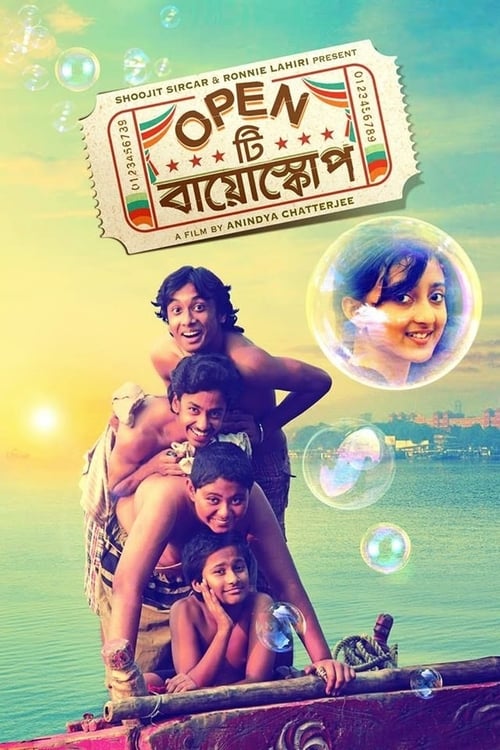
Open Tee Bioscope
Plot
A rusticated boy in his adolescence comes to stay with his mother in North Kolkata and encounters some new experiences during his stay. The time-line of the story is in the 90's typical Northern part of Kolkata.
Get the Weekly Woke Watchlist
New and trending movies scored for woke bias, preachy messaging, and forced political themes — before you waste your evening.
No spam. One useful email per week.
Overall Series Review
Categorical Breakdown
The narrative steers through the emotions of the middle-class community and focuses on universal coming-of-age themes, local rivalries, and individual merit demonstrated through sports and personal growth. The casting is culturally authentic to the time and place of 1990s Kolkata, featuring no forced diversity or vilification based on immutable characteristics.
The movie is explicitly designed as a 'nostalgic joyride' that celebrates and carefully captures the 'essence of North Kolkata' and its community spirit. Institutions like the local 'para' (neighborhood), family, and cultural heritage are treated with gratitude and respect, which directly contradicts any theme of civilizational self-hatred.
Female characters, such as the protagonist's mother and the young love interest, are integrated into the community structure and portrayed naturally. The male characters are central to the action and valued for their protective or rebellious masculinity. While one character is a 'sincere NGO worker,' the overall dynamic is complementary, with no presence of a 'Girl Boss' trope, male emasculation, or anti-natalist messaging.
The primary romantic relationship is a wholesome first crush between a teenage boy and a girl. The film centers on the normative structure of friendship, family, and traditional pairings as the standard. There is no presence of alternative sexual ideology or deconstruction of the nuclear family unit.
The film includes a specific, positive reference to the Dashami scene on the terrace, a moment associated with the major religious festival Durga Puja, indicating that local faith and spiritual culture are integrated respectfully into the community backdrop. The moral framework is built on objective concepts of loyalty, honor, and coming-of-age truth, rather than moral relativism.
Get the Weekly Woke Watchlist
New and trending movies scored for woke bias, preachy messaging, and forced political themes — before you waste your evening.
No spam. One useful email per week.