One-Punch Man
Season 2 Analysis
Season Overview
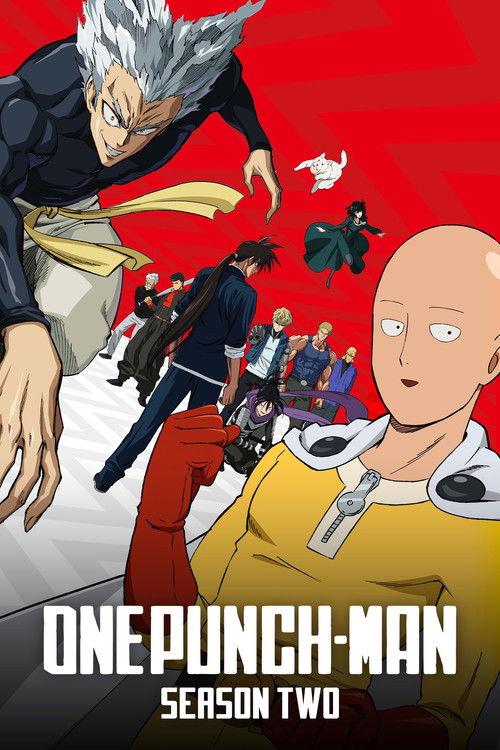
Saitama, alongside his cyborg disciple Genos, is ready to begin his official duties as a professional hero. But when a new friendship and interest in martial arts prove distracting, the Hero Association is left to deal with a sinister new wave of monster attacks on their own. To make matters worse, their heroes are being hunted! Is Earth doomed, or will Saitama save the day with one punch?
Season Review
Categorical Breakdown
Characters are judged almost exclusively on their raw power, perceived ability, and public rank, which constitutes a literal meritocracy subverted only by bureaucracy and public image, not race or immutable characteristics. The central theme of the season is the failure of the Hero Association's hierarchy to recognize true merit.
The hostility in the show is directed toward the incompetence and vanity of the Hero Association and its individual members, not toward the civilization or nation itself. The fundamental plot driver is the need to save the world's cities from monsters, a goal that expresses ultimate civic protection and gratitude for the 'home culture.'
Female characters like Tatsumaki and Fubuki are incredibly powerful heroes, which fits the 'Girl Boss' archetype of strength, but their character arcs involve personal flaws, political maneuvering, and family dynamics. Men are not universally depicted as weak, as the strongest characters remain male. There is no anti-natalist message, and the show's gender dynamics largely follow traditional action anime tropes.
Alternative sexuality is present almost solely through the S-Class hero Puri Puri Prisoner, whose characterization is a stereotypical and long-running comedic gag focused on prison dynamics and effeminate flamboyance. This representation serves as crude comic relief and is far removed from attempting to center a 'Queer Theory Lens' or deliver a political lecture.
The story engages in a philosophical debate about good and evil through the villain Garou, who questions the moral legitimacy of the hero system, suggesting a moral gray area. This theme is a critique of institutional hypocrisy rather than a direct attack on traditional religion, and there is no focus on Christian characters as villains or a spiritual vacuum in the sense of moral relativism replacing faith.