Corpse Party
Plot
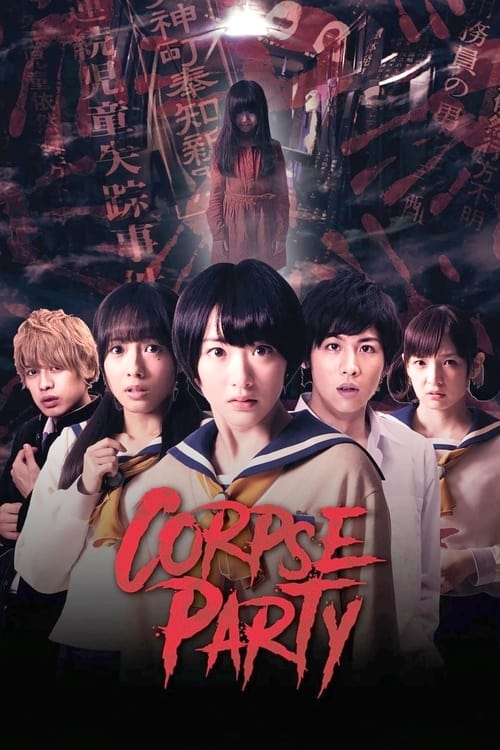
Facing goodbyes and graduation, Naomi Nakashima, her childhood friend Satoshi Mochida, and their classmates, are clearing up after their last ever cultural festival, when horror buff class representative Ayumi Shinozaki decides to perform Sachiko Ever After so they will stay friends forever. Instead, they were whisked away to a haunted graduation ceremony for Heavenly Host Elementary School, forced to close after a series of gruesome murders. What fate awaits Naomi and her friends at the cursed school...?
Get the Weekly Woke Watchlist
New and trending movies scored for woke bias, preachy messaging, and forced political themes — before you waste your evening.
No spam. One useful email per week.
Overall Series Review
Categorical Breakdown
The film is a Japanese production with an entirely Japanese cast, remaining authentic to its source material. Characters are defined by their personal traits and actions, such as Naomi’s resilience and Ayumi’s jealousy, not by immutable characteristics. The narrative conflict is supernatural and based on a school curse, not a lecture on systemic oppression or privilege.
The film is set within a very specific, isolated cursed location, Heavenly Host Elementary School, within Japan. The narrative critiques a specific instance of murder and corruption—the school's principal—which caused the curse, not broad Japanese culture, ancestors, or a Western civilization framework. The movie does not display hostility toward its home culture.
The main survivors and heroes, Naomi and Ayumi, are female, but they are deeply flawed. Naomi kills a friend while under the curse's possession, while Ayumi is motivated by jealousy that leads her to sabotage a friend. Male characters like Satoshi and Yoshiki are protective figures, with Yoshiki sacrificing himself to save others. The film features a balance where neither gender is universally perfect nor universally incompetent.
The narrative focuses on a high school-level horror scenario involving supernatural terror and the bond of friendship. The central personal relationships are implied heterosexual dynamics, such as Ayumi's romantic jealousy over Satoshi. There is no presence of alternative sexual identity being centered, no deconstruction of the nuclear family, and no discussion of gender ideology.
The entire plot revolves around a paranormal curse, occult rituals (the Sachiko Ever After charm), and vengeful spirits. The problem is a supernatural one that requires a ritualistic solution to lift the curse. This focus on the occult and spiritual forces of chaos does not involve the demonization of traditional religion, such as Christianity, or the promotion of moral relativism.
Get the Weekly Woke Watchlist
New and trending movies scored for woke bias, preachy messaging, and forced political themes — before you waste your evening.
No spam. One useful email per week.