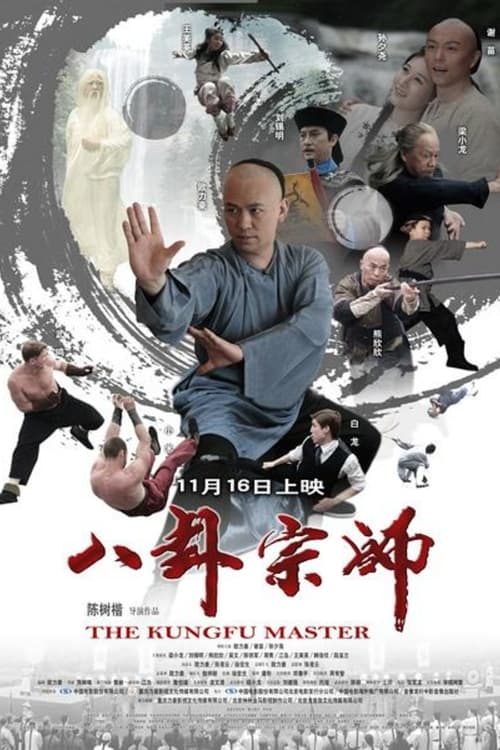
The Kung Fu Master
Plot
About the late Ming and early Qing Wu Xuezong division DongHaiChuan martial arts for the country, as well as his junior sister apprentices poignant love story.
Get the Weekly Woke Watchlist
New and trending movies scored for woke bias, preachy messaging, and forced political themes — before you waste your evening.
No spam. One useful email per week.
Overall Series Review
Categorical Breakdown
The plot focuses on a national and cultural conflict, celebrating a Chinese historical figure's martial skill and moral courage against foreign opponents and internal corruption. Character value is determined by skill and merit in defense of the country, not by an intersectional hierarchy or immutable characteristics. Race is a factor only in the historical context of foreign aggression (e.g., the opium trade).
The entire premise is anti-oikophobic, with the hero fighting to defend his country, culture, and people—the traditional 'home'—against external threats and corruption. The film is an expression of deep cultural and national pride and respects the sacrifices made to uphold the Chinese civilization and its martial traditions.
The core of the plot focuses on a male master, Dong Haichuan, and includes a 'poignant love story' with his 'junior sister apprentice.' This structure suggests a traditional, complementary gender dynamic. Masculinity is portrayed as protective and heroic. The narrative does not contain 'Girl Boss' tropes or anti-family/anti-natal messaging.
As a historical martial arts period drama centered on national conflict and a heterosexual love story, the movie follows a normative structure. There is no evidence of centering alternative sexualities, deconstructing the nuclear family unit, or incorporating gender ideology into the plot or character development.
The traditional wuxia/kung fu genre generally promotes an objective moral code where good defeats evil and the protagonist's strength often comes from disciplined practice, sometimes imbued with Taoist or Buddhist philosophical elements. The conflict is framed as a fight for truth and justice, which supports transcendent morality. There is no anti-religious sentiment.
Get the Weekly Woke Watchlist
New and trending movies scored for woke bias, preachy messaging, and forced political themes — before you waste your evening.
No spam. One useful email per week.