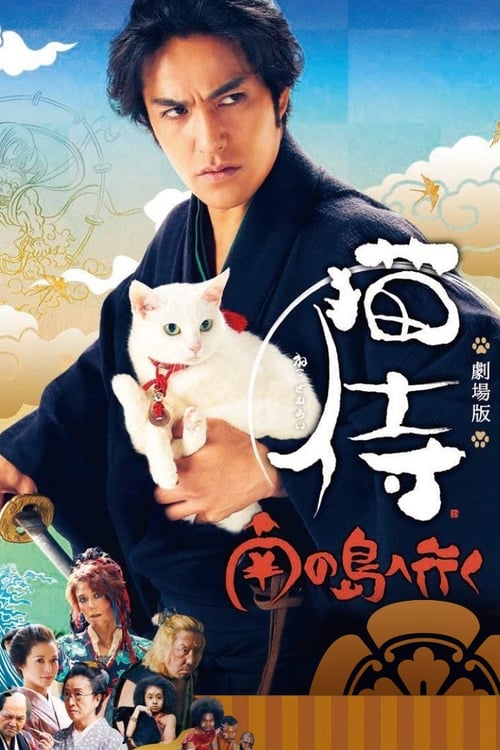
Samurai Cat 2: A Tropical Adventure
Plot
The Edo period. Once a famous swordsman, Kyutaro Madarame, aka “Madara the Devil,” is now a masterless samurai. When a white cat called Tamanojo appears before Kyutaro, the encounter changes him forever. Starring Kazuki Kitamura. This offbeat tale of samurai spirit and adorable animal antics returns to the screen on a breathtaking scale!
Get the Weekly Woke Watchlist
New and trending movies scored for woke bias, preachy messaging, and forced political themes — before you waste your evening.
No spam. One useful email per week.
Overall Series Review
Categorical Breakdown
The plot focuses on a Japanese samurai's journey and his relationship with his cat, not on race or intersectional hierarchy. The conflict involving a ‘cat-worshipping tribe of natives’ on an island presents a mild, non-Western-centric cultural stereotype, but this element serves only as an absurdist comedic backdrop for the rescue mission, not a lecture on systemic oppression. Character value is based on personal merit, like the samurai's dedication, not immutable traits.
The film is a Japanese production set in the Edo period and does not engage in hostility toward Western civilization, its home culture, or ancestors. The samurai is a ronin who has abandoned his past, but his journey is for personal redemption, not a condemnation of the samurai class or Japanese society as a whole. Core institutions and ancestral heritage are treated as the cultural background for a slapstick comedy.
Gender dynamics are traditional for comedic effect. The male protagonist is a complex, soft-hearted warrior, not an emasculated buffoon, although he is subject to the machinations of his mother-in-law for comedy. A female pirate character and a 'spunky' island girl appear, but they are plot facilitators, not ‘Mary Sue’ or ‘Girl Boss’ figures designed to elevate women or denigrate masculinity. There is no anti-natalist or anti-family messaging.
The narrative adheres to a normative structure, centering on the male samurai and the development of a 'budding romance' between the two cats and their respective male/female owners. There is no presence of alternative sexual ideologies, deconstruction of the nuclear family, or focus on gender theory. Sexuality remains private and a non-central theme.
The only presence of a 'religion' is the fictional, comical cult of the island natives who mistake the cat for a god. The main character objects to this absurd deification. This is used strictly for plot development and humor. There is no hostility toward traditional, established religions, and the samurai's personal honor code provides a strong, transcendent moral center, evidenced by his refusal to kill.
Get the Weekly Woke Watchlist
New and trending movies scored for woke bias, preachy messaging, and forced political themes — before you waste your evening.
No spam. One useful email per week.