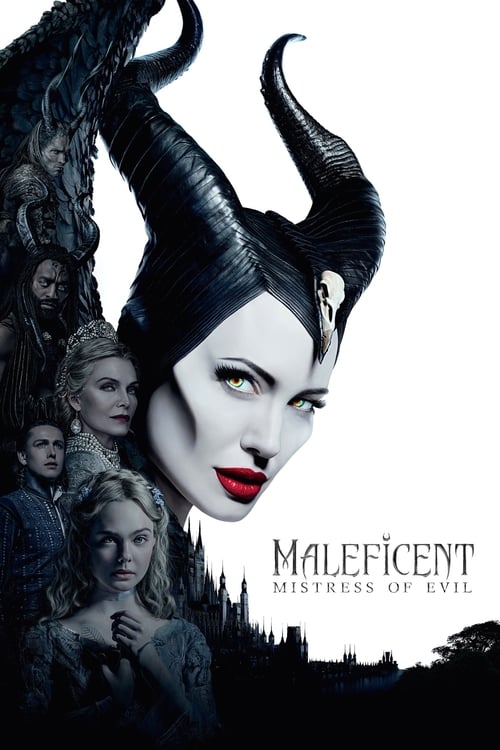
Maleficent: Mistress of Evil
Plot
Maleficent and her goddaughter Aurora begin to question the complex family ties that bind them as they are pulled in different directions by impending nuptials, unexpected allies, and dark new forces at play.
Get the Weekly Woke Watchlist
New and trending movies scored for woke bias, preachy messaging, and forced political themes — before you waste your evening.
No spam. One useful email per week.
Overall Series Review
Categorical Breakdown
The main plot is an allegory for 'racial discrimination' and 'systemic oppression,' with the human kingdom attempting genocide against the magical 'other,' the Dark Fey, who are a diverse, persecuted 'refugee' population. The core conflict is rooted entirely in immutable biological characteristics (species/bloodline) rather than individual character merit.
The traditional, Western-coded human kingdom of Ulstead is portrayed as fundamentally corrupt, warmongering, and genocidal. The primary antagonist is the Queen of this kingdom, while the non-Western, nature-based 'external' culture of the Moors and the Dark Fey is shown as a virtuous, peaceful victim of human aggression and resource exploitation.
The story centers on female power, with two ultra-powerful female figures, Maleficent and Queen Ingrith, leading the opposing forces. The male king is neutralized with a curse by his own wife for seeking peace, making him irrelevant, while his son the Prince is largely ineffective and is locked away, showcasing the utter emasculation of male leadership.
The narrative does not include explicit homosexual, transgender, or non-binary characters or themes. The primary familial focus is on non-biological female kinship, which subverts the traditional nuclear family but does not promote queer theory or sexual ideology.
The primary attempted act of genocide against the magical creatures is orchestrated by the villainous Queen and occurs inside the grand castle church. This climactic betrayal frames the space of the traditional Christian-coded institution as a place of mass murder and betrayal, with the 'pagan' nature spirits as the morally correct victims.
Get the Weekly Woke Watchlist
New and trending movies scored for woke bias, preachy messaging, and forced political themes — before you waste your evening.
No spam. One useful email per week.