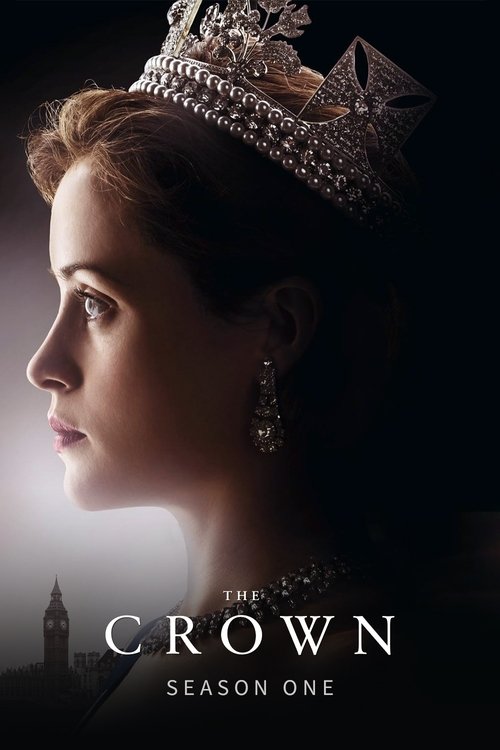
The Crown
Season 1 Analysis
Season Overview
As a young Elizabeth becomes Queen, she must manage major political issues and personal matters, which often clash in ways she never imagined.
Season Review
Categorical Breakdown
The show adheres to historical reality with an entirely period-appropriate cast. There is no attempt to force modern diversity into 1950s Britain or to lecture the audience on systemic privilege. Characters are judged by their adherence to the protocols and responsibilities of their social stations.
The narrative treats the monarchy and British traditions with high regard. While it acknowledges the personal toll these institutions take, it views them as a necessary 'Chesterton’s Fence' that protects the national identity. The history of the Empire is handled through the perspective of the time without modern vilification.
Elizabeth’s growth is defined by her submission to her role as the Crown rather than a pursuit of 'girl boss' empowerment. She frequently defers to the wisdom of elder statesmen and struggles to balance her authority with her role as a wife. Motherhood and family are central themes rather than obstacles to be overcome.
The season contains no references to queer theory or alternative sexual identities. The central romantic conflict involves traditional marriage and the religious/legal restrictions regarding divorce. The nuclear family and standard gender roles remain the unchallenged norm.
Christianity is portrayed as a source of strength and the literal foundation of the Queen's legitimacy. The coronation ceremony is depicted as a profound religious mystery. The Queen’s personal faith and her role as Defender of the Faith are treated with sincerity and respect.