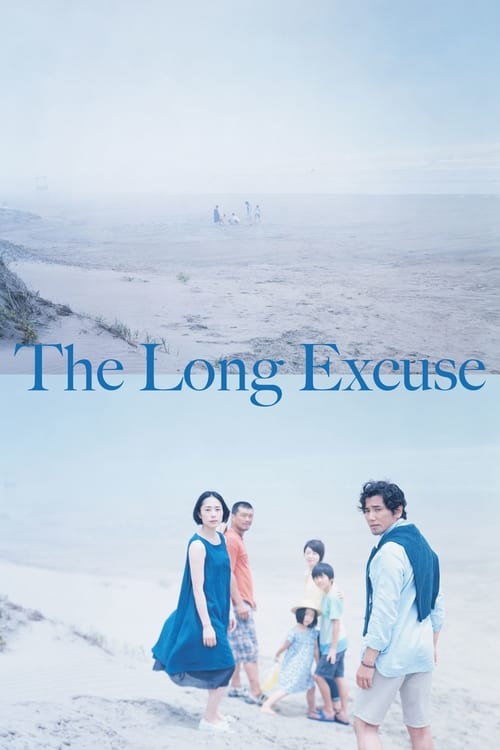
The Long Excuse
Plot
A recently widowed writer whose wife died in a bus crash comes to terms with his grief—or lack of it—in caring for the children of a working man who also lost his wife in the same accident.
Get the Weekly Woke Watchlist
New and trending movies scored for woke bias, preachy messaging, and forced political themes — before you waste your evening.
No spam. One useful email per week.
Overall Series Review
Categorical Breakdown
The narrative centers on universal themes of grief, guilt, and personal redemption, judging the characters based on their moral content and individual actions rather than immutable group characteristics. The casting is culturally authentic Japanese, and the plot contains no elements of intersectional politics, systemic oppression, or forced diversity.
The film is set in contemporary Japan, using the native social context (marriage, literary world, truck driving) to explore a personal story of loss and moral awakening. There is no hostility toward Japanese culture, no deconstruction of its heritage, and the story does not promote any outside culture as spiritually superior.
The primary male character is a self-absorbed, unfaithful jerk whose profound flaws drive the central conflict of the story. However, the narrative ultimately highlights the essential and complementary role of the deceased wives in maintaining the family unit, with the men struggling to fill the 'indispensable' void left by the mothers. The ending celebrates family and a man accepting responsibility, not a feminist critique of gender roles or anti-natalism.
The narrative focuses exclusively on the traditional, heterosexual family unit, marriage, and parenting. There are no elements of alternative sexual ideology, centering of alternative sexualities, deconstruction of the nuclear family, or lecturing on gender theory.
The core of the movie is the main character's quest for personal moral truth, moving from cynical, narcissistic self-interest to an acknowledgment of his failure and the value of selfless action. The moral framework is grounded in universal human guilt and finding a higher personal purpose through responsibility, without featuring any religious or anti-religious commentary.
Get the Weekly Woke Watchlist
New and trending movies scored for woke bias, preachy messaging, and forced political themes — before you waste your evening.
No spam. One useful email per week.