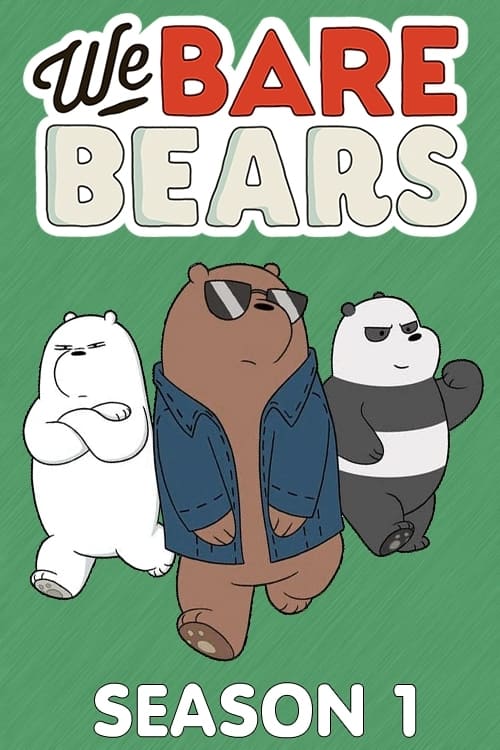
We Bare Bears
Season 1 Analysis
Season Overview
No specific overview for this season.
Season Review
Categorical Breakdown
The creator explicitly frames the series as a metaphor for the immigrant and minority experience in America. The narrative focuses on the bears' struggle to assimilate into a human society that often rejects them based on their immutable characteristics. Supporting characters are utilized to represent a diverse, intersectional urban population.
The setting satirizes modern American urban culture, specifically targeting hipster and tech-focused lifestyles in the San Francisco Bay Area. Adult white male characters are frequently cast as the primary antagonists, social obstacles, or examples of regressive behavior.
Female characters like the child prodigy Chloe Park are depicted as hyper-competent and intellectually superior to the adult male leads. The three brothers are defined by their social ineptitude, laziness, and lack of emotional control, reinforcing the trope of the incompetent male.
The first season includes passive background representation, such as same-sex couples in public settings. While the primary plots do not center on sexual identity, the show presents alternative lifestyles as a normalized and expected part of the modern environment.
The narrative takes place in a completely secular vacuum where religious faith and traditional morality are absent. Characters pursue social media fame and community acceptance as their primary virtues, operating without any reference to transcendent or objective moral truths.