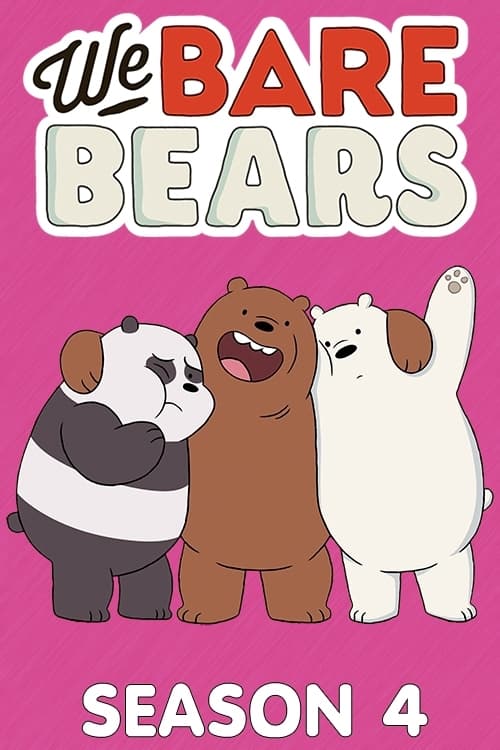
We Bare Bears
Season 4 Analysis
Season Overview
No specific overview for this season.
Season Review
Categorical Breakdown
The narrative utilizes the bears as a metaphor for marginalized groups and the struggle of 'othered' individuals to fit into a judgmental society. Episodes highlight specific cultural traditions, such as Chloe's Korean heritage, while framing the bears' outsider status as a commentary on social exclusion.
The series mocks modern Western urban trends, including social media obsession, 'foodie' culture, and tech-dependency. It portrays the local urban environment as shallow and often unfriendly to the 'natural' bears, emphasizing the vapidity of modern society.
Female characters like Ranger Tabes and Chloe Park are depicted as hyper-competent, intelligent, and authoritative. In contrast, the three male bear protagonists are consistently portrayed as emotionally needy, socially inept, and physically clumsy.
The show features casual, background inclusion of same-sex couples in public settings. It prioritizes 'found family' dynamics over traditional nuclear structures, reflecting progressive social norms of its San Francisco setting.
The world of the bears is entirely secular with no acknowledgement of traditional faith or transcendent moral laws. Characters find purpose in social acceptance and emotional fulfillment, operating within a framework of moral relativism.