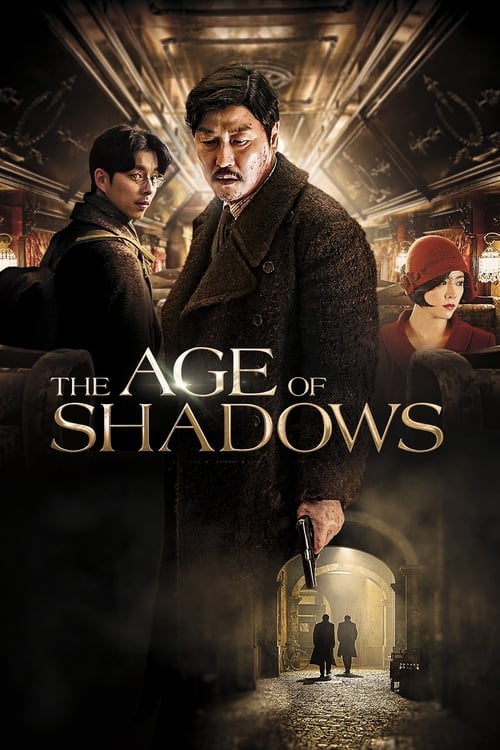
The Age of Shadows
Plot
Set in the late 1920s, The Age of Shadows follows the cat-and-mouse game that unfolds between a group of resistance fighters trying to bring in explosives from Shanghai to destroy key Japanese facilities in Seoul, and Japanese agents trying to stop them.
Get the Weekly Woke Watchlist
New and trending movies scored for woke bias, preachy messaging, and forced political themes — before you waste your evening.
No spam. One useful email per week.
Overall Series Review
Categorical Breakdown
The core conflict is between the Korean resistance and the Japanese colonizers, an historically authentic geopolitical struggle. Character value is judged by moral choice and capability (merit), particularly for the protagonist who shifts his loyalty from the occupying force to the independence cause. The narrative does not focus on intersectional hierarchy or identity grievances outside of the national liberation struggle.
The film is a patriotic drama centered on the Korean independence movement. It portrays resistance fighters willing to die to protect their home and ancestors' legacy, directly upholding the value of the nation. The narrative respects the sacrifices of the ancestors and frames the Korean home culture as worth fighting for, opposing the foreign, occupying regime.
Gender roles in the film largely reflect the 1920s setting, with male characters dominating the central action and espionage plot. The key female resistance character is a supporting figure and is described as being underdeveloped. There is no evidence of a 'Girl Boss' or 'Mary Sue' trope, nor is there any anti-natal or anti-family messaging. Masculinity is protective and central to the espionage and action sequences.
The narrative is a period espionage thriller focused entirely on the political struggle for national liberation. There is no presence of alternative sexual ideologies, centering of LGBTQ+ themes, or deconstruction of the nuclear family unit. The structure is entirely normative.
The core themes are loyalty and patriotism, not theology. The film features a political and moral vacuum created by wartime ambiguity and double agents, but it does not direct any hostility toward religion or religious institutions. Characters are driven by a higher moral law of national self-determination, which serves as a transcendent motive.
Get the Weekly Woke Watchlist
New and trending movies scored for woke bias, preachy messaging, and forced political themes — before you waste your evening.
No spam. One useful email per week.