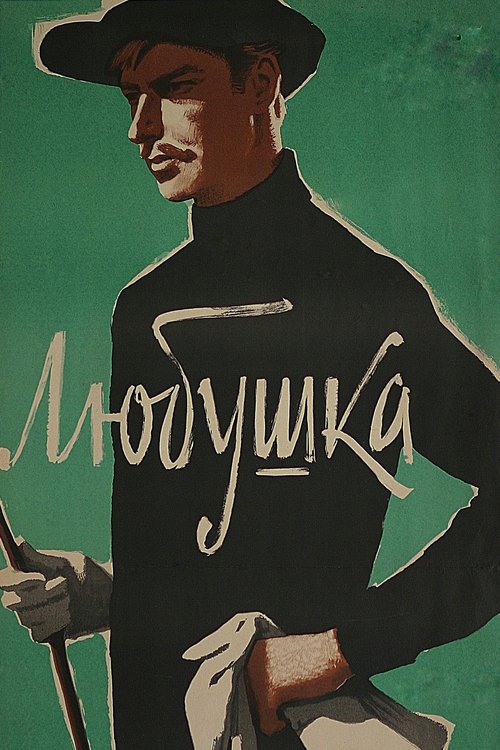
Lyubushka
Plot
Bandits took away a beautiful horse from peasant Nikita Lykov and left him a nag instead. The peasant began to nurse the horse, which turned out to be a famous Oryol trotter named Lyubushka.
Get the Weekly Woke Watchlist
New and trending movies scored for woke bias, preachy messaging, and forced political themes — before you waste your evening.
No spam. One useful email per week.
Overall Series Review
Categorical Breakdown
The narrative's central conflict is purely class-based, pitting the peasant class against the pre-revolutionary horse-breeding gentry. Characters are defined by their actions and perseverance in caring for the horse, exemplifying universal meritocracy. Race is not a factor in the story, and the casting is historically and regionally authentic without forced diversity or a lecture on immutable characteristics.
The film, a Soviet production, frames the 'home' culture of the proletariat/peasant class positively, depicting their success and merit. The villains are the retreating 'White Cossacks' and the old-world landowners, which is a political critique of a former system. The narrative celebrates the rise of the new national champion horse and the triumph of the working family, which reflects a patriotic pride in the new Soviet nation's progress, not self-hatred of the civilization itself.
Gender roles are traditional, reflecting the setting of a 1920s Russian peasant family. The female character, Nastasya, is the wife and mother who is an integral part of the family unit, showing complementary support for her husband and son's efforts to save and train the horses. The film celebrates the family's joint effort; there are no signs of a 'Girl Boss' trope, emasculation of males, or anti-natalist messaging. Motherhood is symbolically valued through the mare Lyubushka and her champion foal.
The film adheres strictly to a normative structure. The central family is a traditional male-female pairing with a son. The plot is focused on animal husbandry and class conflict. There is no inclusion or lecturing on alternative sexualities, gender ideology, or the deconstruction of the nuclear family unit.
As a film from the officially atheist Soviet era, the narrative is materialistic and secular, centering on class struggle and animal care rather than spiritual matters. While the film lacks traditional religious faith as a source of strength, the morality is transcendent in its celebration of the objective virtues of perseverance, compassion, and the pursuit of excellence (merit) in the horses. It avoids the specific modern woke trope of explicit anti-Christian villainy or moral relativism being preached.
Get the Weekly Woke Watchlist
New and trending movies scored for woke bias, preachy messaging, and forced political themes — before you waste your evening.
No spam. One useful email per week.