Tom Clancy's Jack Ryan
Season 4 Analysis
Season Overview
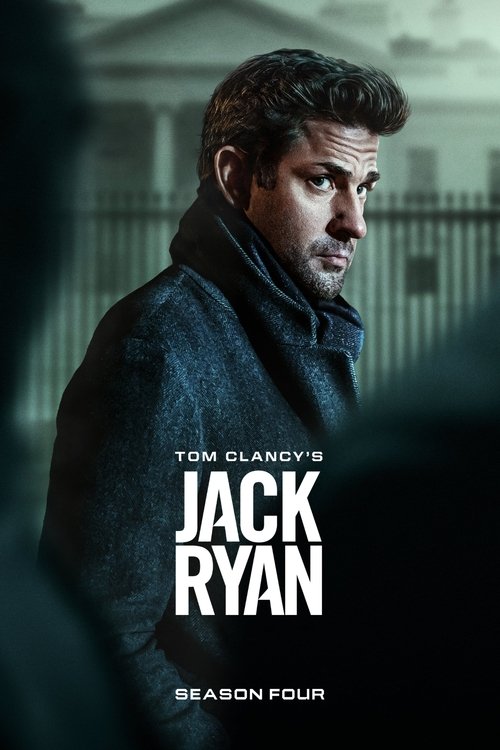
The fourth and final season finds Jack Ryan on his most dangerous mission yet. As the new CIA Acting Deputy Director, Jack is tasked with unearthing internal corruption. As he investigates, Jack discovers the convergence of a drug cartel with a terrorist organization, ultimately revealing a conspiracy much closer to home and testing our hero’s belief in the system he has always fought to protect.
Season Review
Categorical Breakdown
Casting reflects a diverse world without making race a central plot point or a tool for lecturing the audience. Character advancement and respect are earned through field performance and strategic intelligence rather than intersectional traits.
The plot focuses on uncovering a convergence of crime and government corruption. While it shows some American officials as villains, the story serves to protect the nation's integrity and views the United States as a system worth saving.
Elizabeth Wright is portrayed as a strong leader with human vulnerabilities and political pragmatism. Men are shown as capable and protective action heroes, maintaining a balance where neither gender is diminished for the sake of the other.
The series adheres to a normative structure, centering on the established relationship between Jack and Cathy. There is no presence of queer theory or focus on sexual identity politics within the narrative.
The show avoids hostility toward faith and maintains a traditional moral framework. Characters act based on a sense of objective duty and moral clarity rather than subjective relativism.