The Winter of the Year Was Warm
Plot
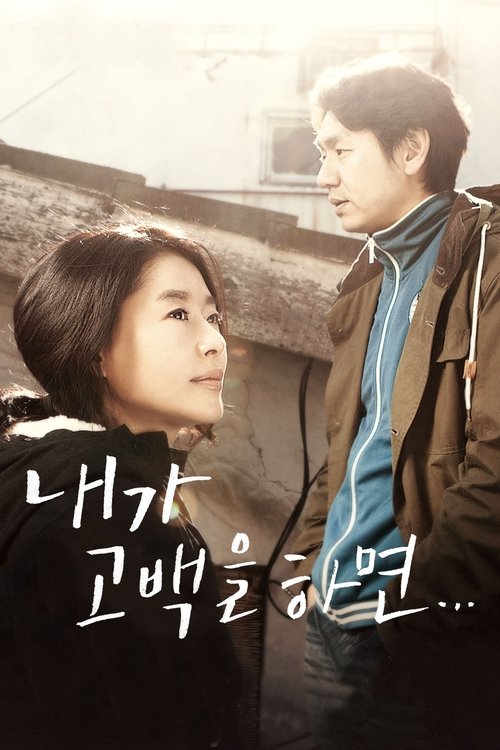
A movie director who also produces films, goes to Gangneung on the weekends to get away from his tiring Seoul life. Meanwhile, a woman who works as a home health nurse in Gangneung travels to Seoul on the weekends for its culture. These two people then meet.
Get the Weekly Woke Watchlist
New and trending movies scored for woke bias, preachy messaging, and forced political themes — before you waste your evening.
No spam. One useful email per week.
Overall Series Review
Categorical Breakdown
The film features only Korean characters and is focused purely on their personal lives and a burgeoning romantic relationship, containing no discussion of race, intersectionality, or 'whiteness' as a political construct. Character identity is defined by profession and personal desires, not by immutable characteristics.
The narrative's central tension is the contrast between Seoul (the busy city) and Gangneung (the relaxed seaside city), which is a regional and cultural contrast within the same country, not a critique of 'Western civilization.' The desire to escape the city is a common human desire, and the depiction of the 'home' culture is neutral, not framed as fundamentally corrupt or racist.
The female protagonist is a home health nurse seeking cultural fulfillment, and the male lead is a movie director. She is depicted as a competent professional, and the story culminates in a developing heterosexual romance. There are no signs of a 'Girl Boss' trope, anti-natalism, or explicit emasculation of the male character; the relationship is based on complementary desires and interests.
The film is a classical, traditional romantic drama centered exclusively on a male-female pairing. There is no narrative focus on alternative sexualities, deconstructing the nuclear family, or presenting gender ideology. The sexuality of the characters is private and serves the structure of a normative romance story.
As a contemporary Korean romantic drama, the film's plot is secular and concerned with ordinary life and romance. There are no mentions or depictions of religious themes, and absolutely no evidence of hostility toward religion, specifically Christianity, or the promotion of radical moral relativism.
Get the Weekly Woke Watchlist
New and trending movies scored for woke bias, preachy messaging, and forced political themes — before you waste your evening.
No spam. One useful email per week.