MINDHUNTER
Season 2 Analysis
Season Overview
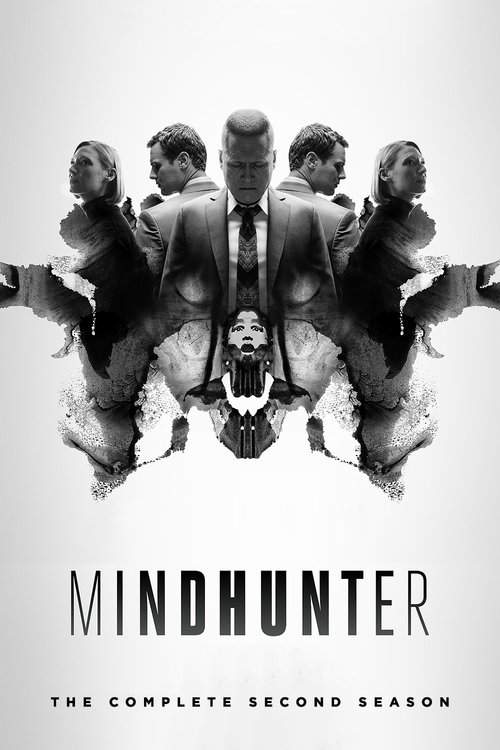
The Behavioral Science Unit's killer instincts move from theory into action when the FBI joins in a high-profile hunt for a serial child murderer.
Season Review
Categorical Breakdown
The main storyline of the Atlanta Child Murders places racial disparity and systemic oppression at the absolute center of the plot. The white FBI agents are portrayed as outsiders who lack immediate understanding of the local sociopolitical context. The local police are shown to overlook the victims because they are black children. A black community representative highlights the institutional failure, stating that many black children had to die before the city took the case seriously. The failure of the investigation is explicitly linked to the victims’ immutable characteristics.
The narrative features a sustained critique of the American systems of policing and government in the late 1970s/early 1980s. The show frames the Atlanta Mayor and local police as prioritizing politics and image over justice, demonstrating institutional corruption and failure. The city's white supremacist past is directly contrasted with the idea of a 'New South,' suggesting a foundational, deep-seated corruption within the local system. The criticism is aimed at institutional failures rather than a broad, blanket demonization of the home culture itself.
The female lead, Wendy Carr, is a highly competent psychologist whose career advancement is limited by the overt sexism of the male-dominated FBI culture, including being subjected to objectifying conduct by senior agents. However, she is not a 'Mary Sue' and is shown to struggle with professional and personal isolation. Another female character, Bill Tench's wife, is portrayed as a woman whose life is dismantled by her husband's work and their adopted son’s role in a violent event, focusing on the pain and collapse of the nuclear family dynamic rather than its celebration.
Wendy Carr's secret lesbian relationship with a female bartender is a significant personal subplot. This storyline focuses on the oppression and necessity of maintaining a hidden identity within a heteronormative and hostile workplace environment of the 1970s FBI. The central conflict of Carr's personal arc is rooted in her sexual identity, which is presented as a defining obstacle to her professional and personal freedom.
The core of the Behavioral Science Unit's work is based on a secular, purely psychological, and scientific explanation for evil, which is implicitly opposed to a transcendent moral law. The agents question a new hire's ability to be objective because he is Catholic, suggesting his 'rigid moral compass' is a professional impediment. The interview with David Berkowitz (Son of Sam) sees the agents push through his claims of demonic possession to find a psychological explanation, framing the religious explanation as a criminal's self-serving delusion.