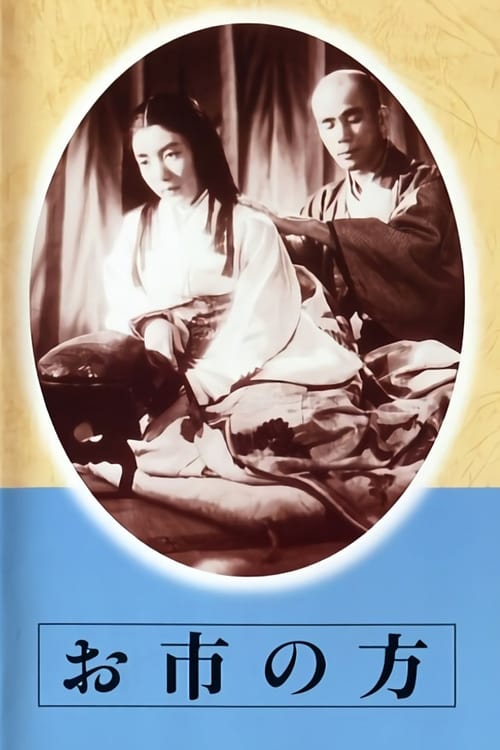
Oichi no kata
Plot
Get the Weekly Woke Watchlist
New and trending movies scored for woke bias, preachy messaging, and forced political themes — before you waste your evening.
No spam. One useful email per week.
Overall Series Review
Categorical Breakdown
The film depicts a historical narrative from the Sengoku period, focusing entirely on Japanese historical figures, with no elements of race-swapping or forced diversity. Characters are judged by their status, political actions, and personal sense of honor and duty, adhering to a pre-modern meritocracy/hierarchy framework.
The film is an embrace of classical Japanese history and aesthetics, based on an author (Tanizaki) who was explicitly promoting a 'return to classicism' and the unique beauty of Japanese culture during this era. It treats the national history, ancestors, and institutions (like the powerful samurai families) with deep respect, centering on their dramatic and tragic sacrifices.
Lady Oichi is the central figure and a powerful, though tragic, woman whose fate drives the narrative. However, the female character is not a 'Girl Boss' but a strong woman defined by her beauty, political marriage, and ultimate decision to die with her husband, fulfilling a traditional, complementary role to her husband's duty. The narrative's framework is one of male devotion, focusing on her traditional feminine power and sacrifice, not the emasculation of men.
As a 1942 historical drama focusing on politically arranged marriage and family duty in the Sengoku era, the narrative adheres to a normative structure. The nuclear family and traditional male-female pairing is the standard, and the film does not feature or focus on alternative sexualities or gender ideology.
The conflict is secular and political, revolving around the Sengoku wars and the bonds of family and duty. The film, which celebrates Japanese cultural aesthetics, integrates traditional Japanese spiritual concepts and historical context without any hostility toward faith or organized religion. Morality is framed by the objective high law of duty and fate within the historical setting.
Get the Weekly Woke Watchlist
New and trending movies scored for woke bias, preachy messaging, and forced political themes — before you waste your evening.
No spam. One useful email per week.