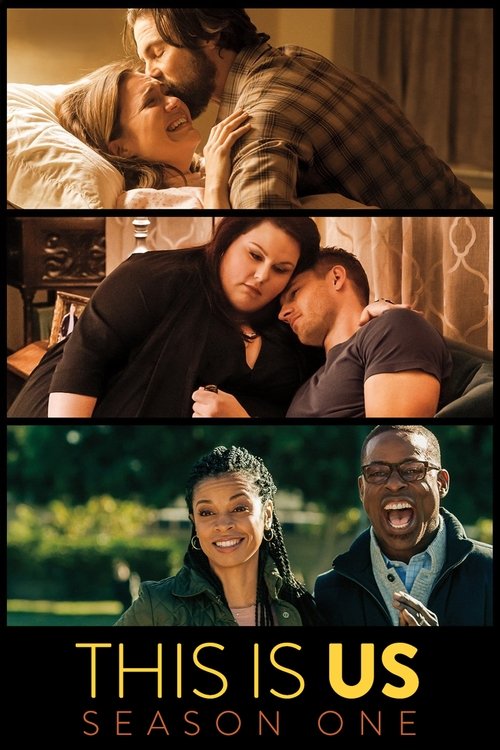
This Is Us
Season 1 Analysis
Season Overview
Follows the family lives of Kevin, Kate, and Randall, who are also known as "The Big Three" and share the same birthday, in present time, while revealing their connection to married couple Jack and Rebecca Pearson, who are about to become parents of triplets on Jack's 36th birthday in 1980 in Pittsburgh, Pennsylvania, USA.
Season Review
Categorical Breakdown
The narrative places a heavy emphasis on Randall's racial identity and the unique struggles of a black child raised by white parents. Plot points often revolve around his feelings of isolation and the perceived inability of his white family members to fully understand his racial experience.
The show treats the family home and the history of the Pearson ancestors with high regard. It presents the traditional nuclear family as a vital source of strength and views the sacrifices made by the parents to build a home as heroic and necessary.
Traditional family roles are largely upheld. Rebecca's primary fulfillment comes from her role as a mother and wife, while Jack is depicted as a strong, protective patriarch. The series celebrates the foundational nature of motherhood and the essential nature of the father's presence.
The season introduces a secondary storyline involving a character's history with a same-sex partner. While the central couples are heterosexual, this subplot serves to broaden the family's definition and incorporate queer identity into the overall family tapestry.
Faith and spiritual connection are presented as positive forces. Characters frequently use prayer and religious frameworks to cope with death and hardship, suggesting that a higher moral or cosmic order exists beyond human control.