Animal Kingdom
Season 3 Analysis
Season Overview
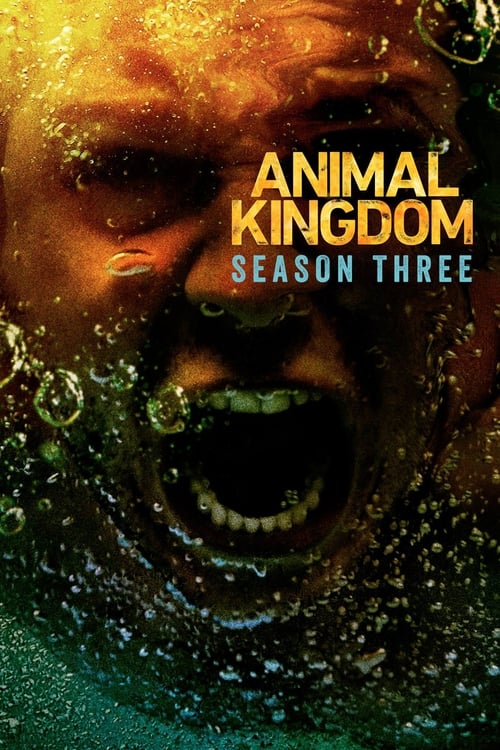
With Smurf in jail and her grandson J in charge of the family business, the Cody men find themselves increasingly divided as they fight for control and their independence in season three. But when outside threats emerge, they have to come together.
Season Review
Categorical Breakdown
The narrative focuses on the internal power struggles of a white criminal family. Diversity appears naturally through rival gangs and associates, but the plot is driven by criminal competence and loyalty rather than race-based grievances or privilege lectures.
The show portrays a specific family as corrupt and toxic but does not frame Western civilization or its institutions as fundamentally evil. It is a localized story of crime that does not promote hatred of the home culture or ancestors.
Smurf is a powerful and controlling matriarch, but she is depicted as a manipulative antagonist rather than an idealized 'girl boss.' The male characters are physically capable and maintain traditional masculine traits, and the conflict centers on their fight for independence from her control.
One of the four brothers is gay, and his relationship is a consistent subplot. While the show avoids gender theory lectures, it centers an alternative sexuality and portrays the non-traditional family unit as the primary social structure.
The characters live in a moral vacuum where religion is entirely absent. Survival and greed are the only laws, and morality is defined purely by power dynamics and self-interest, with no acknowledgment of objective truth or a higher moral law.