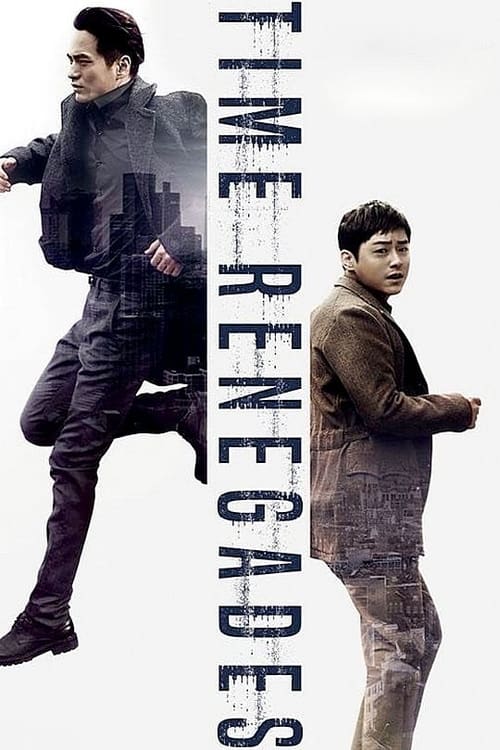
Time Renegades
Plot
A high-school teacher in 1983 and a detective in 2015 join forces through their dreams to change the perilous fate of the woman they both love—30 years apart.
Get the Weekly Woke Watchlist
New and trending movies scored for woke bias, preachy messaging, and forced political themes — before you waste your evening.
No spam. One useful email per week.
Overall Series Review
Categorical Breakdown
Characters are judged solely on their actions, such as the detective's pursuit of a killer and the teacher's protective devotion, which are universal character merits. The film is a South Korean production featuring only Korean actors in an authentic Korean setting from two distinct eras. The narrative contains no elements of intersectional hierarchy, vilification of specific groups, or forced diversity, adhering strictly to a meritocratic approach within a genre context.
The setting is South Korea, with no commentary, positive or negative, regarding Western civilization. The film focuses on correcting a local criminal injustice, not framing the home culture of South Korea as fundamentally corrupt or racist. The characters' efforts to fix the past and save a life demonstrate a respect for the integrity of their community and the sacrifices needed to preserve it.
The core female character is portrayed as a school teacher and a fiancée whose life the men are trying to save; she is the object of protection and romantic devotion. The male protagonists are active, protective, and driven by love. There are no elements of a 'Girl Boss' trope, emasculation of the male characters, or any anti-family/anti-natal messaging. The central goal is to protect the woman so she can live a full life, including the possibility of marriage and family.
The story is built entirely around a heterosexual romance: the fiancée and teacher in the past, and her lookalike and the detective in the present. The traditional male-female pairing and the impending marriage are the emotional heart of the film. There is no presence of alternative sexualities, gender ideology, or deconstruction of the nuclear family unit in the narrative or character relationships.
The film’s central themes revolve around destiny, fate, and reincarnation, which touch on spiritual concepts, but they are metaphysical plot devices, not a form of anti-theistic critique. The narrative presents a clear objective moral truth: murder is evil, and stopping it is good. No organized religion, specifically Christianity, is targeted for vilification, and the morality is firmly transcendent and absolute.
Get the Weekly Woke Watchlist
New and trending movies scored for woke bias, preachy messaging, and forced political themes — before you waste your evening.
No spam. One useful email per week.