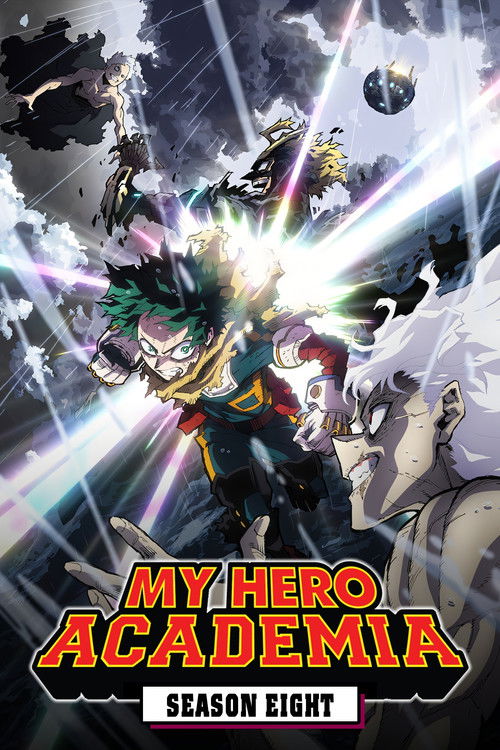
My Hero Academia
Season 8 Analysis
Season Overview
No specific overview for this season.
Season Review
Categorical Breakdown
The story focuses on class disparity and the failure of a superpower-based system, which functions as an allegory for systemic issues and minority rights. However, the narrative's solution is not based on identity hierarchy but on the universal merit of a compassionate heart and collective effort. Characters are judged by their spirit and sacrifice, not their identity group.
The plot depicts the established Hero Society as fundamentally flawed and on the verge of collapse due to internal corruption. The narrative's conclusion, however, shows the heroes working to save and rebuild their home and its institutions into a better form. This is a critique intended to purify the institutions, not demonize the culture or ancestors outright.
Female characters remain powerful and integral figures in the final battle, with their heroic actions motivated by merit, competence, and will. The story avoids the 'Girl Boss' trope of instant perfection, as characters are shown dealing with realistic emotional burdens like trauma and guilt. The focus is on shared male and female heroism.
The central plot focuses entirely on the final conflict, emotional aftermath, and the future of the hero system. The narrative maintains a traditional, normative structure, offering no centering of alternative sexualities, deconstructing the nuclear family, or lecturing on gender ideology.
The morality is objectively defined by the clear, universal principles of heroism, empathy, and a responsibility to save others, establishing an Objective Truth in the world's moral law. The central conflict is a traditional Good versus Evil fight against a nihilistic, destructive force. The series is secular but avoids moral relativism or hostility toward transcendent moral concepts.