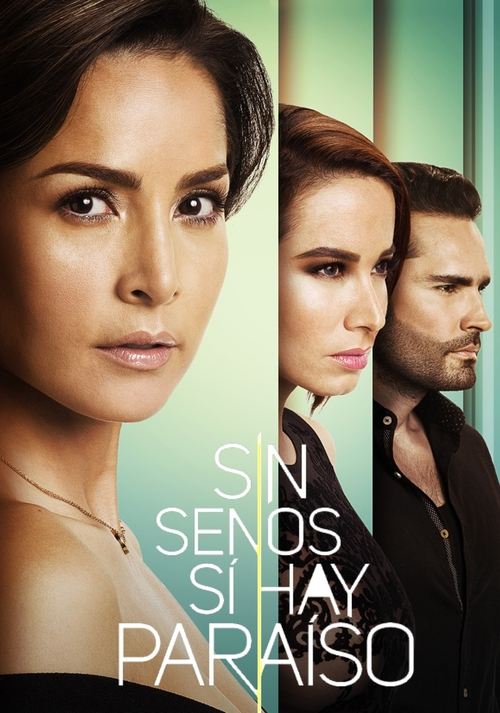
Sin senos sí hay paraíso
Season 3 Analysis
Season Overview
The beauty contest winner is crowned. The birth of a child threatens Catalina la Pequeña and Hernán Darío's relationship. A vengeful Martín returns.
Season Review
Categorical Breakdown
The characters' moral standing is determined by their involvement in or resistance to narco-trafficking, which is a question of moral choice and wealth, not immutable characteristics. The narrative does not focus on intersectional hierarchy or vilification based on race, as the cast and setting are regionally homogeneous.
The series focuses on the devastating social and moral corruption of narco-culture within its Colombian setting. The critique is specifically aimed at this criminal underworld, prostitution, and corruption, which is depicted as an internal ill, rather than a blanket demonization of the home culture or Western civilization.
Female leads are placed in roles of supreme competence, such as a high-level DEA agent and a savvy beauty queen, fitting the 'Girl Boss' trope. A male character, Hernán Darío, is sexually assaulted by the female antagonist Mariana. Mariana, after giving birth, explicitly chooses to abandon her baby for her criminal career and lifestyle, suggesting a strong anti-natalist sentiment that views motherhood as an obstacle to personal fulfillment.
The core relationships and family dynamics remain within the traditional male-female pairing structure, despite the drama surrounding infidelity and an illegitimate child. There is no significant centering of alternative sexualities or plot points that deconstruct the nuclear family structure as inherently oppressive. Sexuality is treated as a private and often scandalous element of the drama.
The plot incorporates occult elements, such as a fearsome curse and the use of a 'spell' or witchcraft as a key driver of family drama and conflict. This substitutes a transcendent moral law with dark spiritualism, but there is no direct attack on or vilification of traditional Christian characters or institutions.