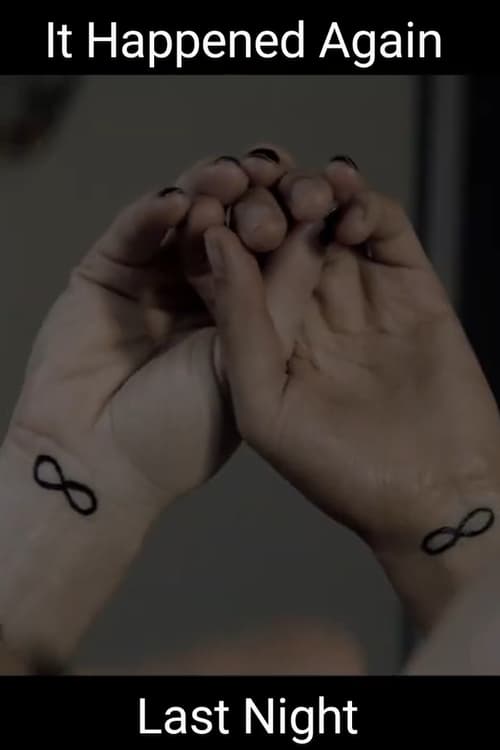
It Happened Again Last Night
Plot
Paige must choose between love and fear before she has no choices left to make.
Get the Weekly Woke Watchlist
New and trending movies scored for woke bias, preachy messaging, and forced political themes — before you waste your evening.
No spam. One useful email per week.
Overall Series Review
Categorical Breakdown
The narrative does not focus on race, intersectional hierarchies, or systemic oppression to explain the characters’ circumstances. Character conflict is purely personal and relational, not based on privilege or immutable characteristics.
The plot is a confined, domestic drama about an abusive relationship and a struggle for personal freedom. The movie contains no elements of civilizational self-hatred, demonization of ancestors, or hostility toward Western heritage.
The single central male character, Stephen, is an abusive figure, portraying masculinity in an exclusively toxic light. The protagonist’s path to self-fulfillment requires her to reject the traditional male-female pairing in favor of a career and an alternative relationship structure.
Alternative sexual identity forms the entire premise of the protagonist's central conflict and resolution. The film frames her decision to embrace her lesbian relationship and leave the male abuser as the ultimate choice between fear and love. The director explicitly linked the work to the 'love wins' movement and sexual neutrality, centering sexual identity as the narrative's political goal.
The story focuses on psychological and relational drama (abuse, sexual identity). The narrative contains no discussion of or hostility toward religion, specifically Christianity, and does not engage with themes of objective truth or moral relativism.
Get the Weekly Woke Watchlist
New and trending movies scored for woke bias, preachy messaging, and forced political themes — before you waste your evening.
No spam. One useful email per week.