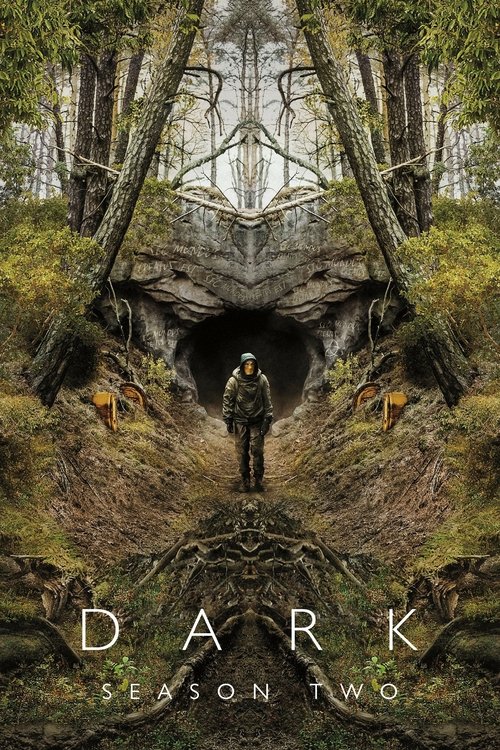
Dark
Season 2 Analysis
Season Overview
Six months after the disappearances of Mikkel, Jonas and Ulrich, Winden's web of mysteries deepens -- and the fate of the world hangs in the balance.
Season Review
Categorical Breakdown
The narrative exclusively focuses on the four inter-connected, white German families in the small town of Winden across multiple time periods. The primary conflict is driven by time, fate, and complex paradoxical family lineage. Character worth is determined by their role and actions within the loop. There is no political commentary on race, no forced diversity, and no vilification of whiteness as a political statement.
The town of Winden, with its nuclear power plant, is shown as a doomed community, caught in an inescapable, suffering-filled cycle that ends in a nuclear apocalypse. The local institutions and family ties are forces of corruption and destruction. This self-hatred is focused entirely on the specific, fictional town and its localized history of secrets and destruction, not a broad indictment of German or Western civilization.
Female characters, including Claudia Tiedemann, Hannah Kahnwald, and Elisabeth Doppler, hold positions of high power, are capable manipulators, and often operate as effective villains or moral chess masters. Their power is earned and they are deeply complex and flawed. The male characters are equally central and either powerful antagonists (Adam) or deeply broken and flawed. Motherhood and family structures are overwhelmingly portrayed as sources of tragedy and inescapable burden rather than celebration or fulfillment.
The story includes several characters who are not heterosexual, such as Peter Doppler and the relationship between Doris Tiedemann and Agnes Nielsen. A transgender character, Benni Wöller, is also present. These non-normative sexualities are typically portrayed as hidden secrets, shameful affairs, or one-dimensional stereotypes. The representation is a source of complication within the conservative small-town setting, not a political centering or celebration of sexual identity.
The main antagonists and factions systematically appropriate Judeo-Christian names and symbols (Adam, Noah, Sic Mundus, Jonas) to frame an occult, deterministic, and nihilistic philosophy. The main villain, Adam, uses prophecy and religious imagery to manipulate others, establishing a 'hell-like' world of endless suffering. Figures associated with faith, such as the priest Noah, are revealed to be manipulative killers in the service of this destructive, occult ideology, reframing religion as a tool for ultimate evil.