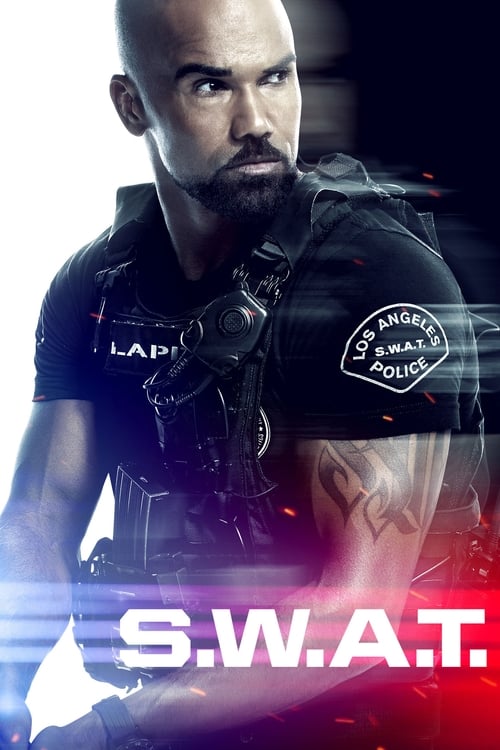
S.W.A.T.
Season 2 Analysis
Season Overview
No specific overview for this season.
Season Review
Categorical Breakdown
The plot centers on the 'intersectional' struggle of the lead character, who is framed as a bridge between a supposedly oppressive police force and marginalized communities. Episodes frequently tackle systemic racism, ICE enforcement, and the inherent bias of law enforcement, making race the primary lens through which every conflict is viewed.
The series often portrays the LAPD and other American institutions as fundamentally flawed or historically corrupt. The narrative pushes for a constant deconstruction of traditional police methods, suggesting that the existing system is a threat to the community it is supposed to serve.
Female characters are depicted as flawless elite performers who must constantly overcome the 'toxic' environment of a male-dominated field. The show prioritizes career ambition and tactical dominance for women, while traditional domestic roles or motherhood are treated as obstacles to professional success.
A major narrative arc involves a main character entering a polyamorous 'throuple' with a man and a woman. This storyline is used to explicitly normalize alternative relationship structures and challenge the 'normative' status of the nuclear family.
While not overtly hostile to religion, the show replaces traditional spiritual morality with secular social justice values. Faith is largely absent, and moral decisions are guided by current political trends rather than objective truth or religious tradition.