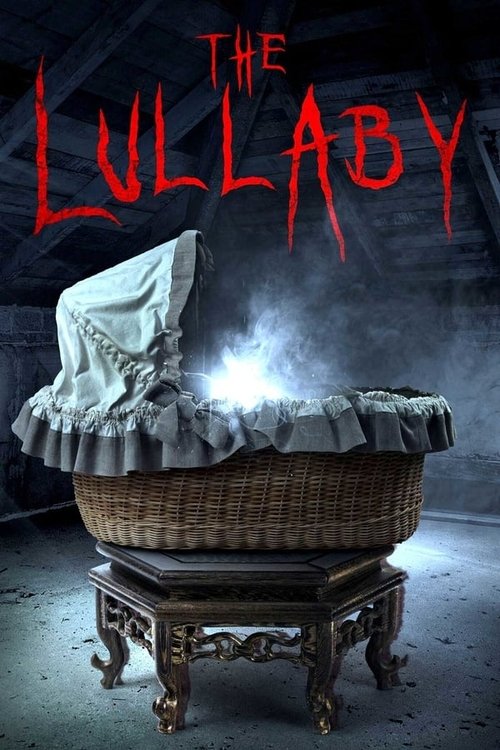
The Lullaby
Plot
Returning to her home town, overwhelmed by the birth of her firstborn, nineteen-year-old Chloe van Heerden tries to come to terms with motherhood. Despite the support from her own mother, Chloe struggles with the demands of caring for a newborn child. The incessant crying of her baby, the growing sense of guilt and paranoia send her into a dark depression. With a heightened urge to protect her son, she sees danger everywhere.
Get the Weekly Woke Watchlist
New and trending movies scored for woke bias, preachy messaging, and forced political themes — before you waste your evening.
No spam. One useful email per week.
Overall Series Review
Categorical Breakdown
The narrative does not center on race, intersectional hierarchy, or the vilification of whiteness. The conflict is based on a psychological horror theme of generational trauma and folklore. Characters are judged by their roles as mothers, daughters, and victims of a dark historical cycle.
The film utilizes a specific, brutal South African historical event (concentration camps and the origin of the 'Siembamba' lullaby) to create a present-day horror, suggesting a foundational curse or rot within the local heritage. This deconstructs a specific national/ancestral narrative, but it avoids the broad hostility toward Western civilization by focusing on a localized historical tragedy.
The core of the movie is strongly anti-natalist, portraying motherhood as an immediate source of overwhelming psychological torment and generational violence. The protagonist is instantly despondent and experiences visions of harming her baby, placing the film at the far end of depicting motherhood as a 'prison.' The plot includes a direct critique of 'toxic masculinity' and the destructive effects of male violence (rape) being passed down through generations of women, further emasculating the male figure by making him a source of trauma.
The narrative centers entirely on the traditional heterosexual family unit (mother, grandmother, baby, absent father) and the crisis of motherhood. There is no presence of alternative sexualities, gender ideology, or a critique aimed at deconstructing the nuclear family outside of the consequences of the established trauma.
The prologue explicitly depicts a historical religious figure, a priest, decreeing that a baby is 'filled with a demon' and must be killed. This sets up a pattern of organized religion/authority as a direct catalyst for infanticide and oppression. A modern authority figure, a psychologist, is later framed as the 'modern day equivalent' of the priest, suggesting that both traditional faith and secular authority are sinister forces that condemn the suffering mother.
Get the Weekly Woke Watchlist
New and trending movies scored for woke bias, preachy messaging, and forced political themes — before you waste your evening.
No spam. One useful email per week.