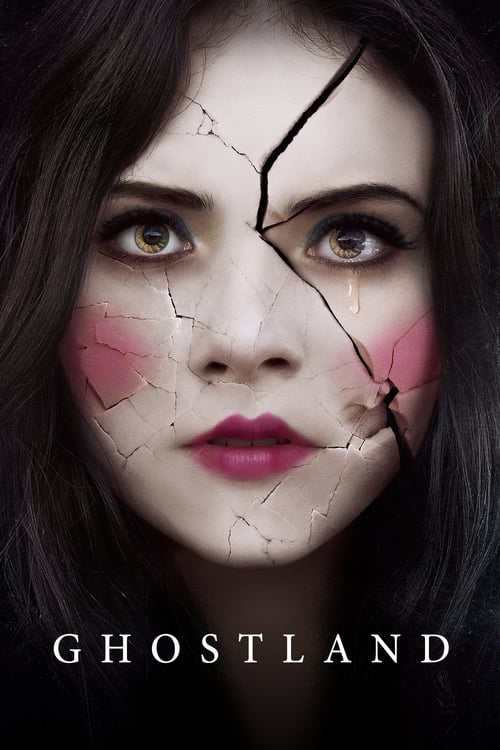
Ghostland
Plot
A mother of two inherits a home from her aunt. On the first night in the new home she is confronted with murderous intruders and fights for her daughters’ lives. Sixteen years later the daughters reunite at the house, and that is when things get strange...
Get the Weekly Woke Watchlist
New and trending movies scored for woke bias, preachy messaging, and forced political themes — before you waste your evening.
No spam. One useful email per week.
Overall Series Review
Categorical Breakdown
Characters are defined by their status as victims and survivors of extreme violence, not by race or systemic oppression. The villains are depicted as grotesque, unmotivated psychopaths. No white characters are vilified specifically for their race; they are victims of home invasion. The casting focuses on building a family unit without apparent forced diversity.
The narrative centers on an inherited family home which becomes the site of a brutal, external attack. The family unit fights to protect their lives and their home. The film does not frame the home culture or Western civilization as fundamentally corrupt or racist. Institutions like the immediate family are presented as the shield against chaos and sadism.
The core of the film rests on the protective love of a mother and the unbreakable bond of two sisters who rely on each other for survival. The women are the protagonists and fight for their lives, achieving their freedom in the end. One sister's psychological escape includes her becoming a successful, professional author, suggesting career fulfillment as a fantasy refuge from the horrors of a physical 'prison.'
The movie does not contain any storylines promoting queer theory or focusing on gender identity as a positive trait. One of the two main antagonists is a man in a dress, presented as a horrific, grotesque figure, which is an old horror trope. This representation links gender non-conformity to psychopathic villainy as a source of horror, making it antithetical to the modern queer theory lens.
Religious themes are entirely absent from the story. The conflict is grounded in raw, physical, human-on-human violence and psychological trauma. The film does not feature any clerical figures, religious institutions, or overt dialogue promoting moral relativism over a transcendent moral law. The villains act out of pure, unexplained malice.
Get the Weekly Woke Watchlist
New and trending movies scored for woke bias, preachy messaging, and forced political themes — before you waste your evening.
No spam. One useful email per week.