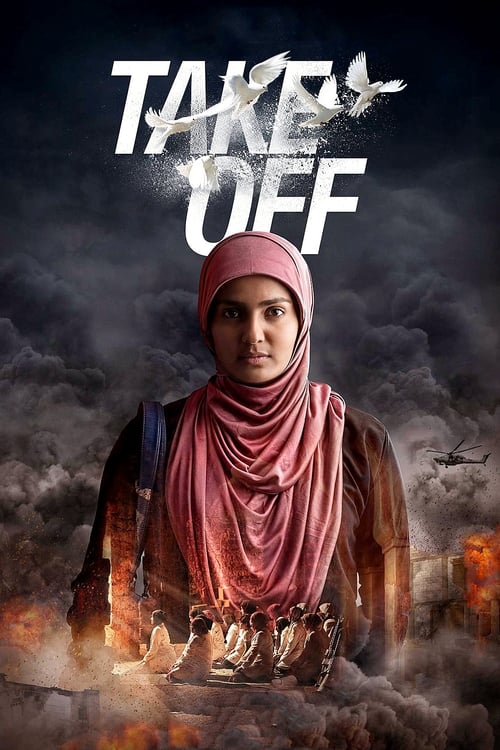
Take Off
Plot
A group of Malayali nurses stranded in Iraq, must survive their capture by the extremists and reach out to the rescue team headed by the Indian government.
Get the Weekly Woke Watchlist
New and trending movies scored for woke bias, preachy messaging, and forced political themes — before you waste your evening.
No spam. One useful email per week.
Overall Series Review
Categorical Breakdown
The plot focuses on the specific class and nationality of the characters, as Malayali Indian nurses, rather than a broad intersectional lens. The conflict is not rooted in a power hierarchy of 'whiteness' or immutable characteristics. Characters, from the lead nurse to the Indian Ambassador, are defined by their merit, determination, and professional competence in a crisis.
The movie highlights societal issues within Sameera's home culture, such as the low wages for nurses and social pressure faced by a divorced woman in Kerala. However, this is a critique of specific, fixable problems, not a fundamental civilizational self-hatred. The Indian state, represented by the embassy and diplomatic staff, is ultimately portrayed as the heroic, successful protector of its citizens, celebrating a national diplomatic effort.
The main character, Sameera, is a strong-willed, determined, and career-driven woman who is the emotional and narrative center of the film. She drives her own destiny, confronting the societal patriarchy that judges her as a working divorcee. While this points toward a 'Girl Boss' archetype, her second husband is portrayed as a kind, understanding, and protective partner, not a bumbling idiot, demonstrating a complementary male-female relationship rather than a complete emasculation of men.
The film contains no explicit or implicit themes related to queer theory, alternative sexualities, or the deconstruction of the nuclear family. The focus of the personal drama is on a traditional family structure, including divorce, remarriage, and motherhood, within a heterosexual context.
The antagonists are the ISIS militants, who embody a violent, extremist religious ideology, placing the critique on radicalism. The film avoids framing general or traditional religion, including the faith of the Indian nurses themselves, as the root of evil, adhering to a transcendent morality where their work and compassion are sources of human strength.
Get the Weekly Woke Watchlist
New and trending movies scored for woke bias, preachy messaging, and forced political themes — before you waste your evening.
No spam. One useful email per week.