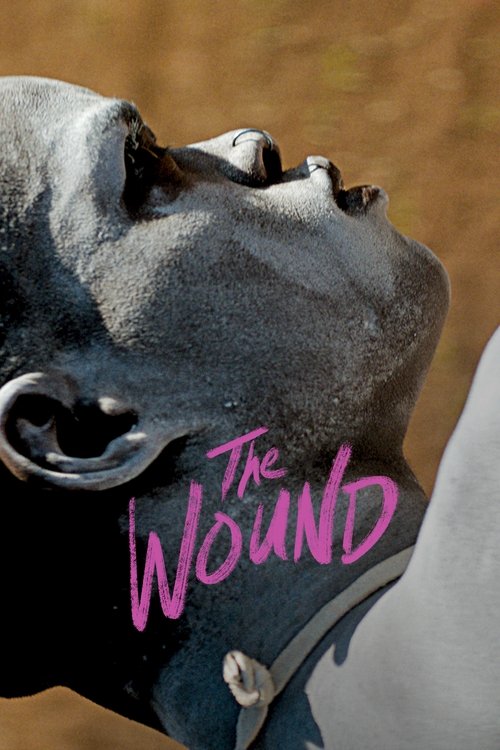
The Wound
Plot
Eastern Cape, South Africa. A lonely factory worker, Xolani, takes time off his job to assist during an annual Xhosa circumcision initiation into manhood. In a remote mountain camp that is off limits to women, young men, painted in white ochre, recuperate as they learn the masculine codes of their culture. In this environment of machismo and aggression, Xolani cares for a defiant initiate from Johannesburg, Kwanda, who quickly learns Xolani's best kept secret, that he is in love with another man.
Get the Weekly Woke Watchlist
New and trending movies scored for woke bias, preachy messaging, and forced political themes — before you waste your evening.
No spam. One useful email per week.
Overall Series Review
Categorical Breakdown
The plot is entirely driven by a conflict based on immutable characteristics, pitting the marginalized sexual identity (gay men) against the dominant sexual-cultural identity (traditional Xhosa heterosexual men) within a single ethnic group. The narrative frames the struggle as systemic oppression by traditionalists against those who embrace their true identity.
The central dramatic engine is the deconstruction and public critique of a sacred Xhosa ancestral rite of passage, the Ulwaluko initiation. The film portrays the traditional institutions of the home culture as fundamentally homophobic, oppressive, and hypocritical, which creates a deep wound for the characters who must uphold the heritage while denying their inner lives.
The setting is an all-male camp, making the inclusion of female-focused 'Girl Boss' or 'Mary Sue' tropes impossible to assess. The film does, however, focus on the emasculation of traditional masculinity by portraying the men who uphold it as emotionally dishonest and hypocritical, though this is driven by the LGBTQ+ narrative, not a feminist one.
Sexual identity is the single most important trait that defines the characters and propels the plot. The narrative centers entirely on alternative sexuality (homosexuality) and its conflict with traditional, normative male-female structures. The younger initiate directly advocates for the modern queer theory ideal of compulsory exposure and pride to challenge the culture of secrecy.
The moral framework is subjective, strongly favoring the 'liberating' truth of sexual identity over the 'oppressive' moral law of tradition. The controversy surrounding the film, including its reclassification, was partly driven by the outrage of traditional Christian and cultural organizations, and a character provocatively includes Jesus Christ in his critique of cultural norms.
Get the Weekly Woke Watchlist
New and trending movies scored for woke bias, preachy messaging, and forced political themes — before you waste your evening.
No spam. One useful email per week.