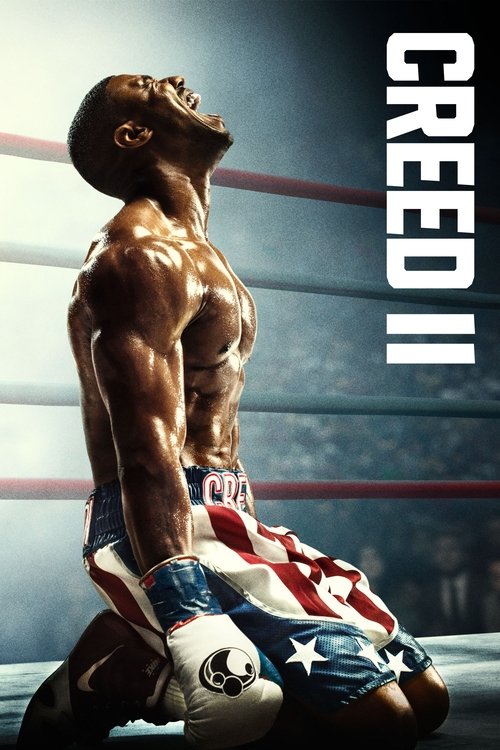
Creed II
Plot
Between personal obligations and training for his next big fight against an opponent with ties to his family's past, Adonis Creed is up against the challenge of his life.
Get the Weekly Woke Watchlist
New and trending movies scored for woke bias, preachy messaging, and forced political themes — before you waste your evening.
No spam. One useful email per week.
Overall Series Review
Categorical Breakdown
The main cast is predominantly Black, but the core conflict is based on a universal struggle for personal merit and overcoming a family legacy, not systemic oppression or intersectional hierarchy. The story avoids any lecturing on privilege or vilification of 'whiteness.' The casting is color-conscious but centers on character ambition and skill in the sport of boxing.
The film celebrates traditional American values such as self-determination, family, and the power of 'heart' and will. The antagonists, Ivan and Viktor Drago, are explicitly tied to the failed Soviet system, and their post-Soviet environment is shown as oppressive and desperate. The narrative does not depict hostility toward Western civilization or its core institutions; rather, it upholds them against a totalitarian background.
The gender dynamic is overwhelmingly complementarian. Adonis's masculinity is celebrated through his protective drive and physical effort. Bianca has a career as a musician, but her primary role in the narrative becomes the supportive wife and mother, with her professional ambitions taking a clear secondary position to Adonis's ring battle and emotional needs. The couple chooses to embrace parenthood without hesitation, celebrating natalism.
The narrative centers on the traditional male-female pairing of Adonis and Bianca, culminating in their marriage and a newborn child. The story does not feature any elements of queer theory, alternative sexualities, or discussion of gender ideology. The focus is exclusively on the normative structure of the nuclear and extended family.
The film emphasizes transcendent morality, human spirit, and heart as the source of strength, which Rocky Balboa often personifies. The main characters seek reconciliation and family connection as the ultimate moral good. Faith and ancestral respect are acknowledged through scenes like visiting tombstones and upholding a family legacy. There is no hostility toward religion or promotion of moral relativism.
Get the Weekly Woke Watchlist
New and trending movies scored for woke bias, preachy messaging, and forced political themes — before you waste your evening.
No spam. One useful email per week.