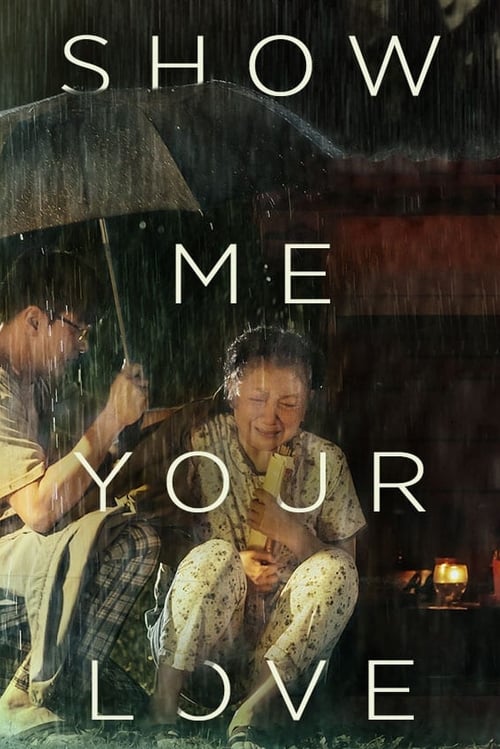
Show Me Your Love
Plot
Told from Nin’s perspective, Show Me Your Love subtly reveals how the mother and son had been estranged by their years of miscommunication before Nin moved to Hong Kong to go to university. As the pair patch up their differences for a poignant closure, the film retains its composure with believable performances by its leads.
Get the Weekly Woke Watchlist
New and trending movies scored for woke bias, preachy messaging, and forced political themes — before you waste your evening.
No spam. One useful email per week.
Overall Series Review
Categorical Breakdown
The plot revolves entirely around the personal trauma and reconciliation between a mother and son. Character motivations stem from miscommunication, abandonment, and terminal illness, not from an intersectional hierarchy or immutable characteristics. The narrative does not focus on vilifying any group or forcing diversity; the casting is culturally authentic to the Hong Kong/Malaysian setting.
The film's cultural context is Eastern, split between Hong Kong and Malaysia. The core values it seeks to restore are filial piety and familial harmony, which are traditional Chinese cultural virtues. There is no hostility toward Western civilization, nor is there a framing of the local culture as fundamentally corrupt or racist. The film honors ancestral concepts like filial piety.
The mother's choice to abandon her son for a decade to pursue work and pay debts sets up the central tragedy. While this action aligns with a career-over-family dynamic, the film critiques the emotional damage this choice causes to the family bond. The overall resolution and theme champion reconciliation and the strength of the traditional mother-son unit, affirming family value over individual career fulfillment as the ultimate source of healing and meaning.
The story centers on a heterosexual nuclear family structure: a married man (Nin), his wife (Sau-lan), their daughter, and his estranged mother. There is no focus on alternative sexualities, gender ideology, or deconstructing the nuclear family. Sexuality is treated as private and normative to the established family unit.
The mother character is described as having 'superstitious behaviour' and being 'terribly afraid of death' and seeing ghosts. This reflects cultural folk beliefs rather than an attack on organized religion. The film’s focus on the son's moral obligation to care for his dying mother and seek emotional closure implicitly promotes a transcendent morality of love and duty, not moral relativism.
Get the Weekly Woke Watchlist
New and trending movies scored for woke bias, preachy messaging, and forced political themes — before you waste your evening.
No spam. One useful email per week.