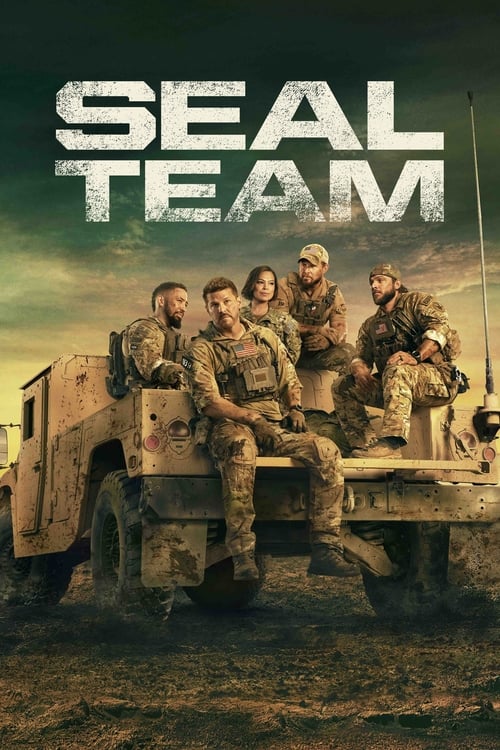
SEAL Team
Season 6 Analysis
Season Overview
No specific overview for this season.
Season Review
Categorical Breakdown
The story introduces a Muslim-American SEAL whose integration is based on his performance in the field. A subplot involves an officer investigating systemic issues in the military's promotion structure, but the team's internal culture remains focused on ability and brotherhood.
The narrative celebrates the flag and the brotherhood of the elite warrior class. It critiques how the government treats veterans as disposable but maintains a fundamental belief in the mission and the value of the American military.
Lisa Davis strives for promotion based on her intelligence and work ethic while facing institutional hurdles. The mission in Syria features female Kurdish fighters who are depicted as tough and effective allies alongside the male SEALs.
The show focuses on the traditional nuclear families of the team members. There are no storylines involving queer theory, gender identity, or alternative sexualities.
Ray Perry uses his Christian faith to cope with the trauma of war and his responsibilities as a leader. Prayer and religious belief are framed as positive, stabilizing forces in a chaotic environment.