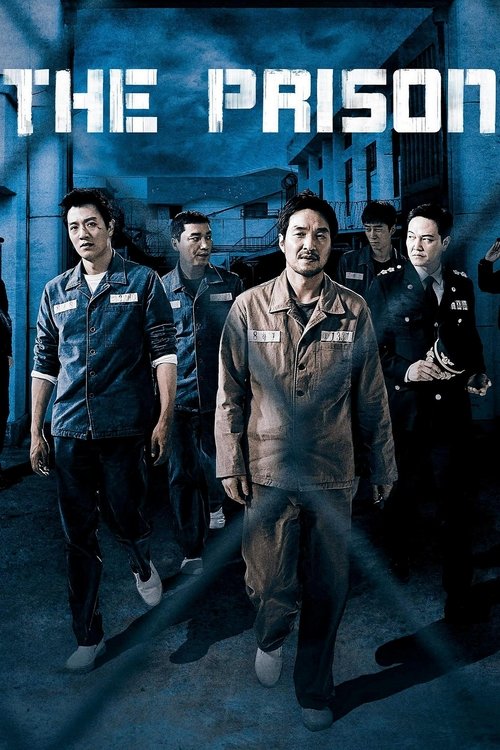
The Prison
Plot
An imprisoned ex-police inspector discovers that the entire penitentiary is controlled by an inmate running a crime syndicate and becomes part of the crime empire.
Get the Weekly Woke Watchlist
New and trending movies scored for woke bias, preachy messaging, and forced political themes — before you waste your evening.
No spam. One useful email per week.
Overall Series Review
Categorical Breakdown
The movie is a South Korean production featuring an entirely South Korean cast and setting. The conflict is driven by character actions—specifically crime, corruption, and personal revenge—rather than immutable characteristics or an intersectional framework. All characters are judged by their loyalty and ruthlessness within the criminal hierarchy, which is a purely merit-based system within the context of the prison's underworld.
The film critiques institutional corruption within the South Korean police and prison system. This is a targeted critique of a specific broken system and its morally bankrupt officials, not a generalized condemnation of South Korean culture or civilization as fundamentally flawed or racist. The primary narrative focus remains on the action and crime plot, not civilizational self-hatred.
The movie is a hyper-masculine prison drama where the main cast and nearly all characters are male. Reviewers note the film is heavy on testosterone, and the presence of women is limited to a 'tiny scene' at the beginning. The narrative provides no platform for 'Girl Boss' tropes, the emasculation of male characters beyond standard villain-hero dynamics, or anti-natalism, as family dynamics are not central to the plot.
No elements of alternative sexualities, gender ideology, or the deconstruction of the nuclear family are present in the plot or character descriptions. The environment is an all-male prison, and the story focuses exclusively on action and power dynamics, not sexual politics or identity.
Religion, specifically traditional Western religion or Christianity, is not a significant element in the narrative. The moral landscape is defined by criminal ruthlessness versus a disgraced cop's quest for revenge, operating on a lower, primal level of loyalty and power. The film's morality is practical and situational to the crime genre, not an attack on transcendent moral law or faith.
Get the Weekly Woke Watchlist
New and trending movies scored for woke bias, preachy messaging, and forced political themes — before you waste your evening.
No spam. One useful email per week.