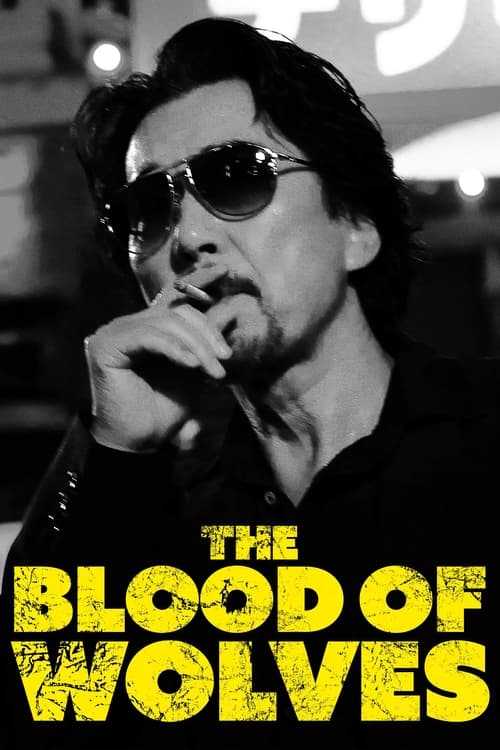
The Blood of Wolves
Plot
Set in 1988 in Hiroshima, Japan, prior to the enactment of the anti-organized crime law. A rumor exists that Detective Shogo Ogami has ties with the yakuza. He is partnered with Detective Shuichi Hioka and they investigate a missing person case involving a financial company employee. Conflicts between opposing yakuza groups become more serious.
Get the Weekly Woke Watchlist
New and trending movies scored for woke bias, preachy messaging, and forced political themes — before you waste your evening.
No spam. One useful email per week.
Overall Series Review
Categorical Breakdown
The film focuses on a police investigation into yakuza conflict, involving only Japanese characters, and the story is rooted in power struggles and systemic corruption. The conflict and character dynamics are based on individual action and moral compromise, reflecting a traditional crime genre structure. No foreign political ideology or racial/intersectional lens is applied to the narrative.
The movie operates in a genre that is inherently cynical about Japanese institutions, portraying a world of rife police corruption and violent gang warfare in a pre-law era. This is a critique of institutional and societal breakdown specific to the criminal underworld rather than a broad condemnation of Japanese civilization or heritage as a whole. The intense critique is contained within the confines of a highly cynical crime drama.
The core dynamic revolves around two male police officers and a world dominated by male yakuza bosses and their conflicts. The hyper-masculine environment is a key element of the genre homage. Female characters, such as the mentioned Madam Rikako Takagi, are supporting figures within the criminal structure, and the film features explicit sex and nudity consistent with exploitation cinema. The film contains no 'Girl Boss' tropes, male emasculation, or anti-natalist messaging.
The narrative makes no mention of centering alternative sexualities, deconstructing the nuclear family, or discussing gender ideology. The central themes are violence, police corruption, and gang warfare. Sexuality, when present, is used for exploitation and depravity within the crime setting and does not serve a 'queer theory' narrative purpose.
The morality of the film is amoral and relativistic, where both cops and yakuza operate outside the law or an ethical code. This spiritual vacuum is purely a feature of the crime genre's environment of corruption and brutal pragmatism, rather than a narrative designed to lecture against or vilify traditional religion, specifically Christianity. The film is indifferent to religion.
Get the Weekly Woke Watchlist
New and trending movies scored for woke bias, preachy messaging, and forced political themes — before you waste your evening.
No spam. One useful email per week.