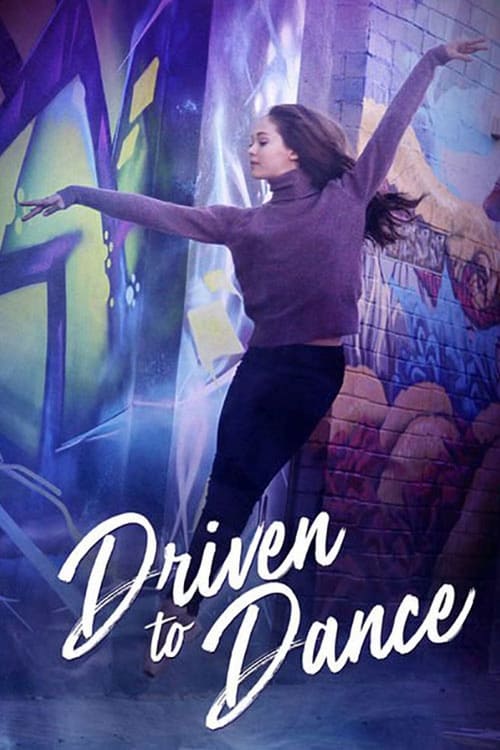
Driven to Dance
Plot
While preparing to audition for a renowned ballet company, Paige must convince herself and her mother that she has what it takes to make it in the world of dance.
Get the Weekly Woke Watchlist
New and trending movies scored for woke bias, preachy messaging, and forced political themes — before you waste your evening.
No spam. One useful email per week.
Overall Series Review
Categorical Breakdown
The plot's central conflict revolves around individual merit, specifically the protagonist's dance talent and her academic performance in math. Character success or failure is determined by their skill and dedication, embodying a universal meritocracy. Race and immutable characteristics are not themes, and the casting appears colorblind without forced political commentary.
The film focuses entirely on internal, familial conflicts within a contemporary Western setting (high school, dance studio, family home). The narrative does not contain any critique or hostility toward Western civilization, its institutions, or its ancestors. The conflict is purely domestic and personal.
The main dynamic is a conflict between two strong female characters: the ambitious teenage dancer and her pragmatic, controlling mother. The plot centers on a girl's professional career aspirations, but motherhood is not explicitly demonized as a 'prison,' and the men are either supportive (the dance coach, the friend) or absent (the father, who has moved out but is not vilified). The protagonist is a talented girl but must work and compromise, preventing a perfect 'Mary Sue' rating. The score is low, acknowledging the career focus but without the extreme anti-natalist or emasculating tropes.
There is no evidence of alternative sexualities being centered, nor is there any presence of gender ideology or critique of the nuclear family structure through a queer theory lens. The focus is exclusively on the dancer's pursuit of her professional dream and her heterosexual interactions with a male friend/love interest.
The movie is entirely secular, centering on the conflicts between dance, academics, and financial stress. Religion, faith, and moral systems are not part of the narrative and are neither celebrated nor attacked. The morality is driven by personal values like dedication and compromise, avoiding any anti-theistic messaging.
Get the Weekly Woke Watchlist
New and trending movies scored for woke bias, preachy messaging, and forced political themes — before you waste your evening.
No spam. One useful email per week.