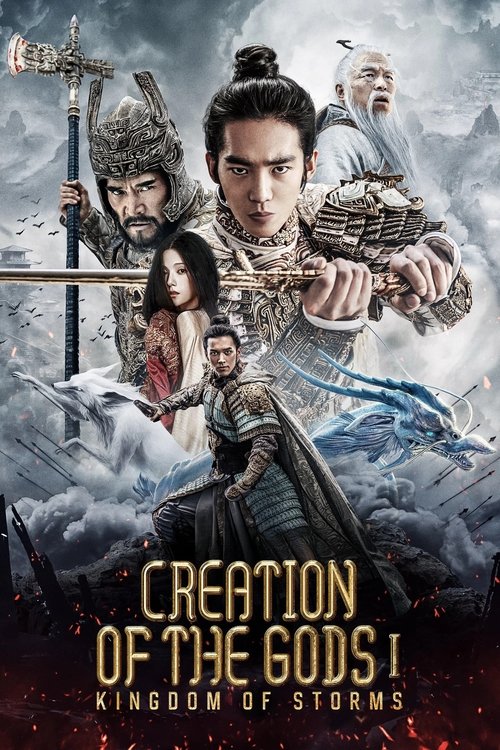
Creation of the Gods I: Kingdom of Storms
Plot
Based on the most well-known classical fantasy novel of China, Fengshenyanyi, the trilogy is a magnificent eastern high fantasy epic that recreates the prolonged mythical wars between humans, immortals and monsters, which happened more than three thousand years ago.
Get the Weekly Woke Watchlist
New and trending movies scored for woke bias, preachy messaging, and forced political themes — before you waste your evening.
No spam. One useful email per week.
Overall Series Review
Categorical Breakdown
The film’s setting is ancient China, and the casting is culturally authentic to its source material. The narrative entirely avoids the vilification of 'whiteness' and the language of intersectional hierarchy, focusing instead on a universal moral struggle. Characters are judged purely on their merit, virtue, and choices, such as King Zhou's descent into evil and Ji Fa's path to heroism.
The film is a celebration of its own culture, drawing on one of the most famous classical Chinese fantasy novels. Production notes emphasize the reconstruction of ancient Chinese aesthetics and art forms. The core theme is the restoration of order and justice based on the Mandate of Heaven, which validates the foundational institutions and heritage of the civilization rather than expressing self-hatred.
The director deliberately subverts the traditional literary trope of Su Daji as a simple temptress who is solely to blame for the king's downfall. This new portrayal reframes the evil King Zhou as the primary agent of malevolence, while Daji, the fox demon, acts out of loyalty to him, making her a co-conspirator and strategic partner rather than a mere scapegoat. The overall narrative and visual style feature a celebration of male vitality, military power, and father-son relationships.
The narrative is centered on traditional normative structures, focusing on royal succession, filial duty, and male-female relationships. There is no introduction of alternative sexualities, gender ideology, or deconstruction of the nuclear family as an oppressive structure. The primary relationships explored are those of fathers, sons, and mentors.
The entire conflict hinges on the Mandate of Heaven, a concept where the divine realm oversees human governance and punishes an unvirtuous ruler. Immortals and gods actively intervene to uphold this transcendent moral law and restore justice. The story explicitly validates the authority of a higher moral and spiritual order against the king's moral relativism and tyrannical actions.
Get the Weekly Woke Watchlist
New and trending movies scored for woke bias, preachy messaging, and forced political themes — before you waste your evening.
No spam. One useful email per week.