Elite
Season 2 Analysis
Season Overview
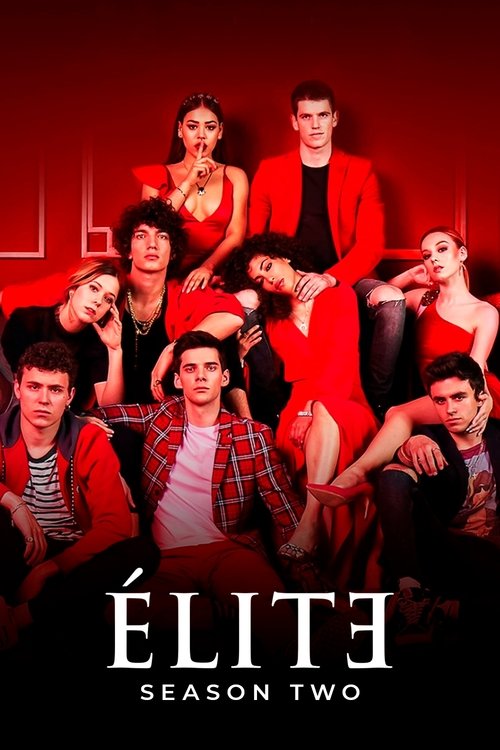
In the wake of a classmate's death, a student vanishes, allegiances shift, new friends join the drama, and dark secrets become too difficult to contain.
Season Review
Categorical Breakdown
The narrative's central conflict is a 'scathingly critical' look at the powerful, with class and racial overtones framing the elite (the privileged) against the working-class and minority students (the oppressed). White, wealthy, established males like Polo and Guzmán are depicted as either the murderer, complicit in the cover-up, or emotionally compromised, while students from minority and lower-class backgrounds, like Nadia (Palestinian/Muslim) and Samuel (working-class), are the primary agents of truth and justice. The system of the elite school is consistently portrayed as corrupt, protecting the privileged.
The show is a clear critique of the Spanish 'elite' culture and its wealthy institutions, depicting the wealthy's lifestyle as one of 'meaningless, noxious distraction' and fundamental corruption. The Western-style, capitalist high-society is the setting for immorality, crime, and depravity, which implicitly deconstructs or rejects this specific civilizational heritage in favor of the 'outsiders' who are the moral compasses (the working-class/immigrant students).
Female characters are consistently portrayed as powerful, highly manipulative, and central to the plot's control, fitting the 'Girl Boss' anti-hero mold. Carla, the 'Marquess,' is highly calculating and helps cover up a murder, maintaining power through her secrets, and is described as having 'power and dangerous assets to use'. New character Rebeka is a 'Badass Betch' whose mother runs a drug business, giving her a 'ruthless mob wife' energy. Male characters are frequently emasculated or shown as emotionally weak, such as Polo (guilt-ridden murderer), Guzmán (distraught and turning to drugs), or Ander (a cheating 'snake').
Alternative sexualities are a highly visible and normalized element of the core narrative. The relationship between Ander and Omar (a gay Muslim student) is a major plotline, with new drama stemming from Ander's infidelity. Omar's storyline includes his enjoyment of expressing himself via a 'drag costume'. The new character Valerio is introduced with a 'conflicted incest storyline' with his sister, representing an extreme deconstruction of traditional family and sexual norms. Sexual identity is a major defining characteristic for several main characters.
The show operates almost entirely within a framework of moral relativism, where characters are 'morally grey' and self-interest or personal desire dictates action. The religious/traditional framework is either absent in the elite class or is depicted as an oppressive force to be overcome. Nadia, who is Muslim, is pressured to abandon her religious roots (taking off her hijab) to pursue romance and freedom within the elite Western context, suggesting traditional religion is an obstacle to personal fulfillment. The overall tone embraces a spiritual vacuum where 'Objective Truth' or 'higher moral law' is non-existent, replaced by subjective power dynamics.