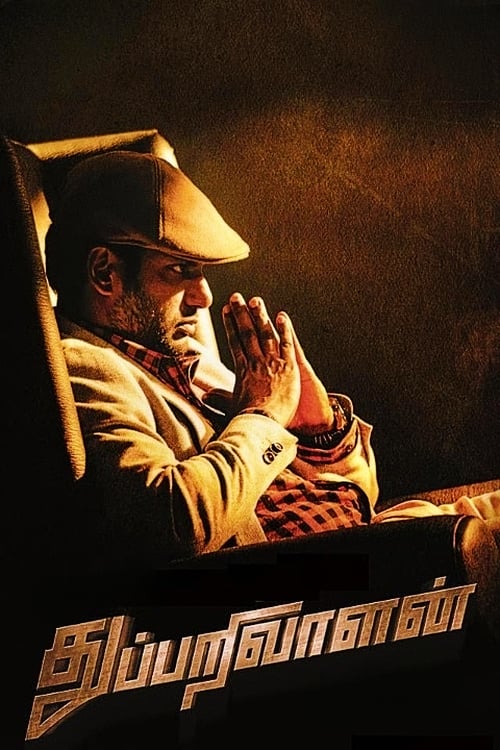
Thupparivaalan
Plot
Detective Kaniyan Poonkundran is hungry for a challenging case to investigate and the mystery of a murdered dog leads to a rival who could be the match for him.
Get the Weekly Woke Watchlist
New and trending movies scored for woke bias, preachy messaging, and forced political themes — before you waste your evening.
No spam. One useful email per week.
Overall Series Review
Categorical Breakdown
The narrative is driven by the meritocratic pursuit of truth and logic by the protagonist, Kaniyan Poonkundran, and his rival. The hero’s name itself references classical literature and the philosophical concept of universal kinship ('Yaadhum Oore Yaavarum Kelir'). The plot centers on exposing a criminal network based on their actions, not their immutable characteristics or any intersectional hierarchy. The casting is culturally authentic without any signs of forced diversity or 'race-swapping' for political reasons.
The film’s 'bleak and cynical social commentary' is directed at contemporary crime and the pervasive nature of evil in the urban landscape, not a hostility toward its own civilization or ancestry. The detective's core value system, based on the principle of the value of all life, provides a moral compass that ultimately defends objective truth against chaos. There is no suggestion that Western or external cultures are morally superior.
Gender dynamics are traditional; the main female character, Mallika, is a pickpocket who is 'saved' by the detective and is later taken in as a housekeeper. The relationship dynamic involves the dominant male lead and a submissive female figure, with one review noting the male lead's 'abuse' being accepted by the heroine with a smile. This dynamic directly counteracts the 'Girl Boss' and 'Mary Sue' tropes. There is no evidence of anti-natalist or anti-family messaging.
The movie is a focused crime thriller. There is no evidence in the plot or character analyses to suggest the inclusion of alternative sexualities, gender ideology, or any attempt to deconstruct the traditional nuclear family structure.
The film’s underlying philosophical discussion about the equal value of all life and the detective's moral quest for justice points toward an acknowledgment of objective moral truth, reflecting a 'Transcendent Morality.' The film evokes Buddhist philosophy in its core premise regarding the significance of a dog's death. This is an embracing of a spiritual/moral framework, not a vilification of religion.
Get the Weekly Woke Watchlist
New and trending movies scored for woke bias, preachy messaging, and forced political themes — before you waste your evening.
No spam. One useful email per week.