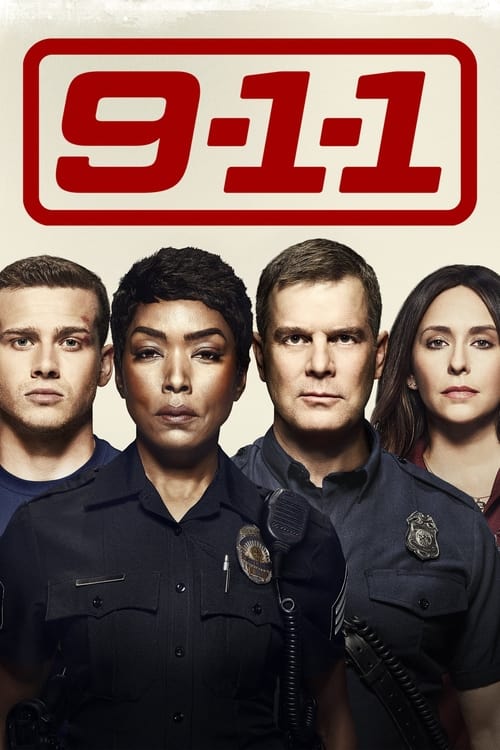
9-1-1
Season 2 Analysis
Season Overview
Season 2 of 9-1-1 is widely considered the season where the show truly found its footing, doubling down on the "found family" theme and introducing massive, cinematic disasters. It also marked a significant cast change with the arrival of Jennifer Love Hewitt and Ryan Guzman.
Season Review
Categorical Breakdown
The core ensemble prominently features Black women (Athena, Hen), an Asian man (Chimney), and a Hispanic man (Eddie) as competent, heroic leads. Athena and Hen's relationship is shown as a strong sisterhood for Black women succeeding in a demanding field. The white male character Buck begins the season on a path of growth from a 'playboy' with an 'air of entitlement,' a storyline that critiques traditional white male tropes. White Captain Bobby Nash, however, remains a central, unambiguously heroic, and nurturing leader. Character conflict is primarily focused on personal flaws and merit, not systemic privilege, making it moderate.
The series focuses entirely on celebrating the American institution of first responders, portraying them as moral heroes who put their lives on the line to save strangers. Co-creator comments state the characters are 'unambiguously heroic.' The central theme is one of civic virtue and self-sacrifice for the community, which strongly affirms the value of its institutions. One episode features the challenge of saving 'awful people,' which highlights the first responders' unwavering professional morality. This category scores very low.
Female characters Athena Grant (Sgt.), Hen Wilson (Firefighter/Paramedic), and new character Maddie Kendall (9-1-1 operator) are central, powerful, and competent professionals whose careers define them. Maddie's major storyline involves escaping a violently abusive male ex-husband, painting him as the embodiment of toxicity and her as a survivor who kills him in self-defense. Male leads (Bobby, Chimney, Eddie) are consistently depicted as supportive, nurturing, and emotionally open, with their masculinity being protective and complimentary rather than dominant or fragile. The women are strong without being instantly perfect, but the narrative strongly pushes the 'Girl Boss' model of female fulfillment.
Alternative sexualities and family structures are a prominent and integrated part of the core narrative. Henrietta 'Hen' Wilson is a lesbian firefighter married to Karen Wilson, and their committed family life, including their son, is a major focus. Athena's ex-husband, Michael Grant, is openly gay and remains an active, supportive, and positive co-parent to her children. This normalization and centering of non-traditional pairings and family units places the score high. The focus remains on committed relationships and family, rather than explicit gender theory or anti-heteronormative lecturing.
Faith is depicted positively as a source of strength and redemption for main characters. Captain Bobby Nash's backstory prominently features his recovery from addiction and his frequent seeking of guidance through church. The show's overarching morality is transcendent, revolving around the absolute virtue of saving human life and self-sacrifice. No traditional religious characters are portrayed as villains or bigots, and morality is objective heroism.